Nature and Wildlife
Marvels of Migration: Tracking Monarch Butterflies


As the crisp autumn air begins to descend over the northernmost reaches of America, a miraculous event takes place. The Monarch butterflies, those delicate creatures of black and orange, embark on an incredible journey, a marvel of migration that stretches thousands of miles. This is a journey that not only speaks to the resilience of nature but also serves as a lesson in survival, endurance, and adaptation.
Monarchs, like many of us survivalists, understand the importance of timing and preparation. Every fall, these butterflies leave their summer breeding grounds in Canada and the United States to travel to the warmer climes of Mexico and California. This epic migration, which can cover over 3,000 miles, is not a mere change of scenery. It is a survival strategy, a testament to the Monarch’s instinctual knowledge that staying put in the harsh winter would mean certain death.
The preparation for this journey begins much earlier. Monarchs go through four stages during one life cycle, and through four generations in one year. The first three generations live for only six weeks, but it’s the fourth generation that’s built for endurance. Born in late summer, this generation goes through the same stages as its predecessors – from egg to caterpillar to chrysalis – but once emerged as a butterfly, it doesn’t reproduce right away. Instead, it feeds. It feeds like its life depends on it because, in a way, it does. The nectar fuels their long journey and sustains them through a winter spent in hibernation.
The Monarch’s migration is not a straight shot. They use the sun’s position and the Earth’s magnetic field to navigate, but they also take advantage of air currents to conserve energy. Riding the thermals, they glide more than they flap, an efficient strategy that allows them to travel up to 100 miles a day.
Once they reach their destination, they hibernate in oyamel fir trees, clustering together for warmth. This spectacle is a sight to behold, with trees appearing orange and black from a distance, covered with thousands of resting butterflies.
But the marvel doesn’t end there. Come spring, the Monarchs begin their journey north again. However, no single butterfly completes the round trip. The Monarchs mate during the return journey, lay eggs, and die. The next generation continues the journey, a cycle of life that ensures the survival of the species.
So, what can we, as survival enthusiasts, learn from these remarkable creatures? Monarchs teach us about the importance of preparation, the value of endurance, and the power of instinct. They show us that survival isn’t just about the fittest but also about the most adaptable.
Monarchs also remind us of our responsibility. Their survival is threatened by deforestation, climate change, and the loss of milkweed, their primary food source. As stewards of the earth, it’s our duty to ensure that the marvel of the Monarch migration continues for generations to come.
We can plant milkweed in our gardens, support conservation efforts, and educate others about these incredible creatures. Let’s remember, survival isn’t just about us as individuals. It’s about all of us, humans and butterflies alike, sharing this remarkable planet.
The Monarch migration is a testament to the wonders of the natural world, a world that often seems harsh and unforgiving, but one that is also filled with marvels and miracles. As we journey through life, let’s take a page from the Monarch’s book. Let’s prepare, adapt, and endure. Let’s not just survive, but thrive, in the wild terrains of our world.


Winter can be beautiful, but when temperatures drop below freezing, it quickly becomes dangerous, especially for older adults or anyone with health conditions that affect circulation or mobility. Prolonged exposure to extreme cold can lead to frostbite, hypothermia, and respiratory problems. Whether you live in the countryside, a city apartment, or a rural cabin, preparing before the cold strikes can make all the difference. Here are seven proven ways to stay warm, safe, and healthy through the harshest winter conditions.
1. Dress in Smart, Protective Layers
Layering is your body’s first line of defense against cold. Rather than piling on one heavy jacket, wear several thin, insulating layers. Start with a base layer made of synthetic or wool fabric that pulls sweat away from your skin. Add an insulating layer like fleece or down to trap body heat, and finish with a waterproof and windproof outer shell to block snow and icy winds.
Don’t neglect extremities wear insulated gloves, a thermal hat, a scarf, and warm socks. If you’re indoors, cozy slippers and thermal leggings can also help you stay warm without overusing your heating system.
2. Seal In Warmth and Block Out the Cold
Even small drafts can drain heat from your home. Inspect doors and windows for gaps, then use weather stripping, caulk, or draft stoppers to seal them. Hang thick curtains and close them at night to trap heat inside. If you have unused rooms, close their vents and doors to concentrate warmth where you spend the most time.
Rugs, towels, or blankets rolled up at the bottom of doors also help prevent cold air from seeping in. If possible, consider window insulation kits inexpensive plastic sheets that add an extra layer of protection.
3. Stay Dry at All Costs
Moisture is a silent danger in cold weather. Wet clothing can cause body heat to evaporate rapidly, leading to hypothermia even in temperatures above freezing. Always keep an extra set of dry clothes nearby. If you must go outdoors, wear waterproof boots and gloves. When you come inside, remove damp shoes and clothes immediately and replace them with dry layers.
4. Create a “Warm Room” for Emergencies
If your heating system fails or power goes out, select one small, well-insulated room to serve as your heat zone. Hang blankets over windows and doors to keep warmth in. Gather blankets, sleeping bags, and all household members (including pets) in that space. The shared body heat will make the room more livable. You can use candles, hand warmers, or small battery-powered heaters to supplement warmth just ensure proper ventilation and avoid open flames near anything flammable.
5. Eat and Drink to Fuel Warmth
Your body is like a furnace, it needs fuel to stay warm. During extreme cold, focus on nutrient-rich, high-calorie foods like nuts, peanut butter, whole grains, and soups. Warm drinks such as tea, coffee, or broth can help maintain your core temperature. Avoid alcohol and caffeine in large amounts, as they can dehydrate you and give a false sense of warmth.
Drinking plenty of water is equally important. Cold weather can dull your thirst, but dehydration makes it harder for your body to regulate temperature.
6. Build and Maintain a Winter Survival Kit
A well-stocked emergency kit can be a lifesaver. Include thermal blankets, batteries, flashlights, a first-aid kit, bottled water, energy bars, a whistle, and a hand-crank radio. If you live in a snowy area, add snow shovels, cat litter (for traction), and jumper cables for your car. Recharge portable power banks regularly, and keep an extra set of warm clothes in a waterproof bag in case you need to evacuate or travel.
7. Recognize and Respond to Cold-Related Illnesses
Knowing the warning signs of hypothermia and frostbite can prevent tragedy.
- Hypothermia begins with shivering, fatigue, and confusion, then progresses to slurred speech and drowsiness.
- Frostbite causes numb, pale, or hard skin, especially on fingers, toes, and ears.
If you suspect either condition, move to a warm area immediately, replace wet clothing, and warm the person gradually using blankets or body heat. Never apply direct heat, like a hot water bottle or hair dryer, as it can damage skin and tissue.
Final Thoughts
Surviving extreme cold is about preparation, awareness, and calm decision-making. By layering properly, securing your home, staying dry, and having an emergency plan, you can protect yourself and your loved ones through even the harshest winter storms. Remember, it’s not just about enduring the cold; it’s about staying comfortable, confident, and safeuntil spring returns.

These Everyday Skills Could Save Your Life Or Someone Else’s
When an emergency hits, it’s too late to start Googling. Whether it’s a power outage, car breakdown, unexpected hike gone wrong, or full-scale disaster, knowing what to do before chaos strikes is the difference between staying calm and spiraling. The good news? You don’t need military training or a bug-out bunker. You just need to learn these 10 core survival skills ahead of time and they’ll serve you in everyday life too.
1. Fire-Starting Without a Lighter
Being able to start a fire in wet or windy conditions is a skill that spans thousands of years and it still matters. Learn to use a ferro rod, flint and steel, or even a magnifying glass. Practice with damp tinder, and always carry some dryer lint or cotton balls soaked in petroleum jelly.
2. Basic First Aid
Knowing how to stop bleeding, treat burns, or manage a broken bone is essential. Sign up for a CPR/first aid course you’ll gain life-saving knowledge and confidence. Bonus: it’s just as useful at a family BBQ as in a forest.
3. Navigation Without GPS
Batteries die. Satellites fail. Learn to read a paper map, use a compass, and find direction using the sun or stars. Even basic orienteering skills can get you out of a jam.
4. Knot-Tying for Real-World Use
The right knot can save your gear or your life. Know how to tie a bowline, square knot, and trucker’s hitch. These knots can help build shelter, secure loads, and make emergency repairs.
5. Water Purification and Collection
You can survive weeks without food but only 3 days without water. Learn how to boil, filter, or chemically treat water. Know where to find it in urban and wild environments, like rain catchment or condensation traps.
6. Shelter Building With Natural Materials
Even in a warm climate, exposure can be deadly. Practice building lean-tos, debris huts, or tarp shelters using branches, leaves, and cordage. A good shelter keeps you warm, dry, and protected from the elements.
7. Situational Awareness
Learn to scan your environment, trust your instincts, and notice small changes around you. Awareness prevents problems, whether it’s spotting a fire hazard, noticing someone following you, or avoiding dangerous terrain.
8. Cooking Without Electricity
Know how to cook over open flames, on a wood stove, or using solar ovens. It’s more than survival, it’s resilience. Start by learning to boil, grill, or bake without relying on modern conveniences.
9. Signaling for Help
If you’re stuck, you’ll need to be found. Learn how to use mirrors, flares, whistles, or even create large ground signals like “SOS” using rocks or logs. Understanding rescue priorities can make you easier to spot and faster to save.
10. Mental Resilience and Problem Solving
This is the quiet skill that holds it all together. Practice staying calm under pressure through breath control, visualization, or even journaling. In any crisis, your mindset determines whether you freeze… or adapt.
🧭 Final Thought
The best time to learn these survival skills is when you don’t need them. They aren’t just about extreme situations they teach self-reliance, confidence, and control. The more you know, the less you fear and the better prepared you’ll be when life throws the unexpected your way.
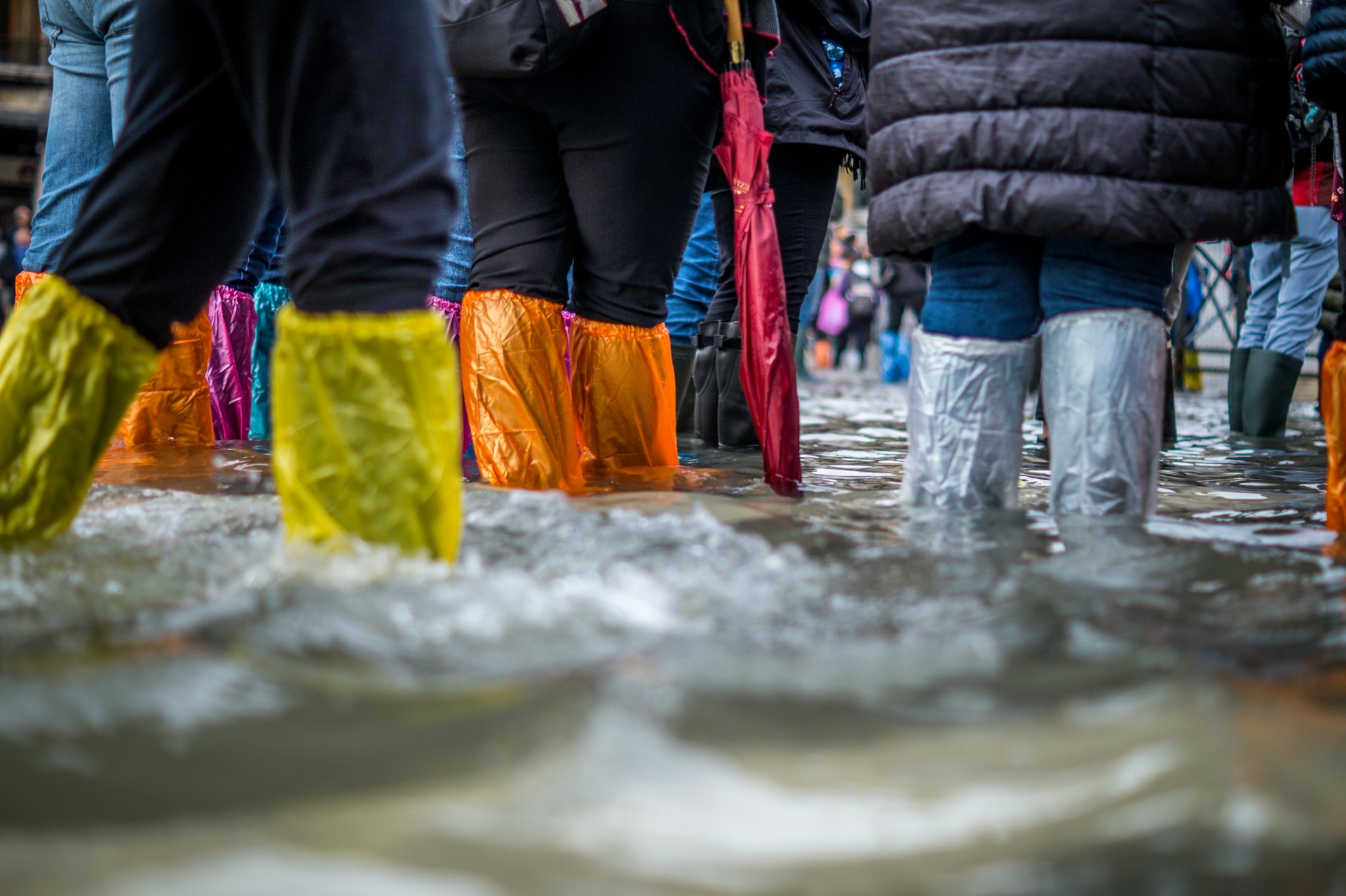
When disaster strikes, you don’t always have a survival kit, tactical knife, or fancy equipment on hand. But here’s the truth: most of what you need to stay alive might already be in your home, office, or even your pockets. Survival isn’t just about being tough it’s about being resourceful. And with a little creativity, ordinary objects can become extraordinary lifesavers.
1. Bandana – The Swiss Army Cloth
A simple bandana can do more than keep sweat off your neck. It can filter dirty water through layers of fabric, serve as a makeshift sling or bandage, and even protect your lungs from dust or smoke. Soak it in cool water to regulate your temperature, or use it as a flag to signal for help. If you don’t have one, a T-shirt or scarf can do the job.
2. Duct Tape – The Ultimate Fix-All
There’s a reason duct tape belongs in every emergency bag. It can patch holes in tents, mend broken shoes, and even seal wounds in a pinch (apply gauze first). Twist strips into rope or cord to build shelter or tie gear. It’s waterproof, strong, and takes up almost no space proof that survival is often about ingenuity, not gear.
3. Belt – From Fashion to Function
A sturdy belt can do more than hold up your jeans. In an emergency, it can become a tourniquet to slow bleeding, a strap to secure gear, or a way to climb or drag supplies. Leather belts also double as fire starters when scraped or used to create sparks with metal. Never underestimate what’s already wrapped around your waist.
4. Credit Card – Not for Shopping Anymore
That little piece of plastic can save your life in surprising ways. It can act as a scraper to remove ice, clean a wound, or smooth surfaces. In urban settings, it can even help unlock certain types of doors or windows in emergencies (though always within the law). It’s lightweight, flat, and unbreakable perfect for quick problem-solving.
5. Plastic Bottles – Hydration and Beyond
Plastic bottles can purify, store, and transport water. Cut the bottom off to make a funnel or plant container, or fill with water and leave in sunlight to disinfect it (solar disinfection works in about six hours of bright sun). Bottles can also serve as makeshift lanterns when filled with water and placed over a flashlight.
6. Trash Bags – Shelter in Disguise
A heavy-duty garbage bag is an unsung hero. With a few cuts, it becomes a rain poncho, sleeping bag liner, or emergency shelter. It can also collect rainwater or insulate against cold ground. Carry a few you’ll thank yourself later.
Final Thought
In a true emergency, the most valuable tool isn’t what’s in your hand it’s what’s in your head. Thinking creatively under pressure turns common items into life-saving gear. You don’t need to be a survivalist to survive; you just need to see the potential in what’s already around you.
-

 Off The Grid11 months ago
10 Foods That Could Save Your Life When Grocery Shelves Are Empty
-

 Tactical2 years ago
70-Year-Old Fends Off Intruder with Lead-Powered Message
-
 Tactical2 years ago
Vape Shop Employee Confronts Armed Crooks, Sends Them Running
-

 Preparedness11 months ago
5 Things You Should Always Carry During a Winter Storm
-

 Nature and Wildlife11 months ago
10 Survival Skills You Should Learn Before You Need Them
-

 Preparedness2 years ago
Ex-Ballerina’s Guilty Verdict Sends Tremors Through Gun-Owner Community
-
 Preparedness11 months ago
Smart Person’s Checklist: 10 Things You’ll Wish You Had When Disaster Strikes
-

 Preparedness1 year ago
Discover Free Land in These Three Surprising States