Tactical
85-Year-Old Idaho Woman Outsmarts, Eliminates Violent Intruder


The tranquil serenity of rural Idaho was shattered recently when an 85-year-old woman was forced to defend her home and her life against a violent intruder.
The Bingham County Sheriff’s Office reported a chilling scene. The officers, who arrived in response to a distress call, found a man dead from gunshot wounds and the elderly homeowner injured but alive.
The nightmare unfolded around 2 a.m. as 39-year-old Derek Ephriam Condon parked his vehicle a mile away to avoid detection before breaking into the woman’s home. Dressed in a military jacket and black ski mask, Condon used a screwdriver to penetrate the home’s sanctuary through a window.
The once peaceful sleep of homeowner Christine Jenneiahn was brutally disrupted as Condon struck her in the head with his weapon. Evidence of this violent encounter was later confirmed by police who found traces of her blood on her pillow.
Jenneiahn was next dragged to the living room, where Condon handcuffed her to a wooden chair. He demanded the location of her valuables. When she insisted she had little of value, Condon’s frustration escalated, and he pressed his gun against her head.
In an attempt to deflect his anger, she told Condon about two safes located downstairs. As he went to investigate her claim, he discovered her disabled son in the home, further enraging him.
However, Condon’s departure offered Jenneiahn a lifeline. She seized the opportunity to drag herself and her chair towards her pillow, where she kept concealed a .357 Magnum revolver. With the weapon now in her possession, she waited for Condon’s next move.
According to Bingham County Prosecutor Ryan Jolley, Condon had made threats on Jenneiahn’s life as he ransacked her home. Sensing the imminent danger, she made the courageous decision to defend herself and fired her weapon at the intruder.
Condon was hit twice but managed to return fire, striking Jenneiahn multiple times with a 9mm gun. He eventually succumbed to his wounds in the kitchen, while Jenneiahn, still handcuffed to the chair, was left on the floor for 10 agonizing hours until her son could bring her a phone to call the police. She was subsequently transported to a hospital with life-threatening injuries.
The crime scene told a chilling tale. Police discovered Condon’s abandoned car near the home, with footprints leading right to the house. On Condon’s body, they found a set of lock picks and a bag filled with some of Jenneiahn’s possessions.
Bingham County Prosecutor Ryan Jolley labeled the ordeal as a “justifiable homicide” under the Idaho criminal code, praising Jenneiahn’s bravery in the face of extreme danger.
He remarked, “Her grit, determination, and will to live appear to be what saved her that night.”
He further added, “Christine was justified in taking any and all means necessary to defend herself and her son that night.” This story serves as a stark reminder that the will to survive can be a powerful force against the deepest adversity.
Watch a local news report about the chilling incident below:
Let us know what you think, please share your thoughts in the comments below.



A safe home does not require expensive upgrades or complicated systems. Many of the most effective changes are simple steps you can take right now. Whether you are preparing for a storm, a power outage, or everyday security issues, knowing how to strengthen your home quickly can give you immediate peace of mind. These five actions take only minutes, but each one cuts down real risks and helps protect the people and belongings you care about.
1. Improve Your Exterior Lighting
Poor lighting makes it easier for accidents and break-ins to happen. Adding bright bulbs to porches, pathways, and driveways is one of the fastest ways to reduce danger. Motion-sensor lights are inexpensive and use very little electricity. Good lighting keeps you from tripping in the dark and makes your home less inviting to anyone with bad intentions.
2. Check and Strengthen Your Locks
Many people assume their locks are secure until they actually test them. Walk through your home and check every door and window. Make sure each one closes fully and locks tightly. If any lock feels loose, replace it or tighten the screws. Installing a simple deadbolt on exterior doors adds a major layer of protection. Even a small upgrade can stop forced entry attempts.
3. Remove Common Indoor Hazards
Home accidents often start with everyday items that people overlook. Clear walkways, secure loose rugs, organize power cords, and remove anything that blocks exits. Check that smoke alarms and carbon monoxide detectors work and have fresh batteries. A few minutes of hazard removal can prevent falls, fires, or smoke-related emergencies.
4. Create a Simple Emergency Plan
During a crisis, confusion and panic cause more harm than the event itself. Make a basic plan that covers where you will meet, how you will communicate, and which items you would grab in an evacuation. Keep a small emergency kit in an easy-to-reach spot. A clear plan allows you to act quickly instead of scrambling in the moment.
5. Reinforce Entry Points
Windows and doors are the first places that fail during break-ins and strong storms. Adding simple reinforcements helps keep your home secure. Install window locks or wooden rods to prevent sliding windows from opening. Secure your garage door by engaging the manual lock. Place a doorstop or wedge behind vulnerable doors for added strength. Small changes can significantly increase resistance during emergencies.
Final Thoughts
Home safety starts with awareness and small improvements that add up quickly. By increasing light, checking locks, removing hazards, planning ahead, and reinforcing entry points, you create a safer environment for both everyday life and unexpected emergencies. You do not need expensive systems to protect your home. You just need a few smart steps and the habit of staying prepared.
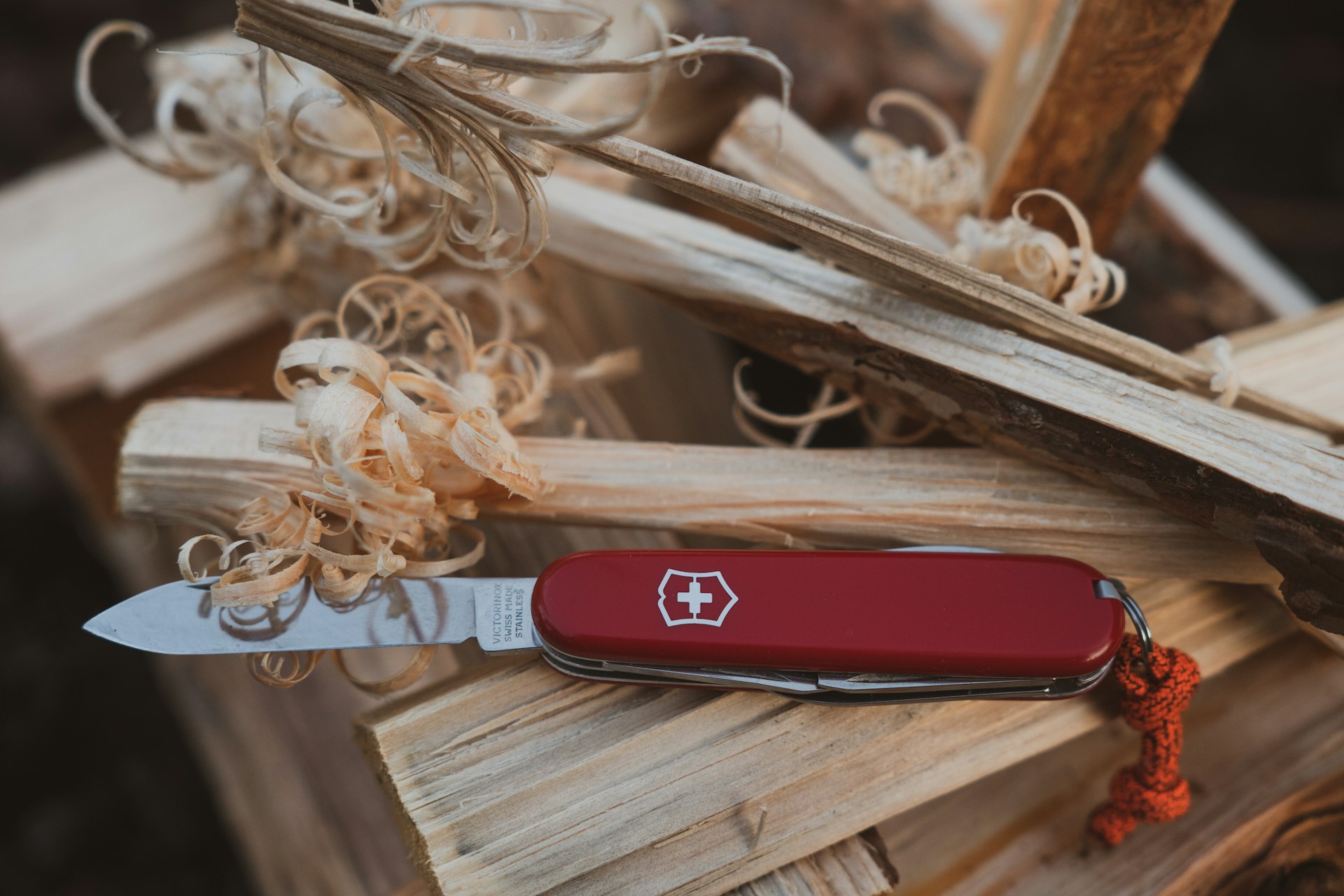
When life gets unpredictable, the most valuable tool you can carry isn’t a gadget or a stockpile — it’s a skill. The right skills turn fear into focus and confusion into action. They help you stay steady when others panic, and they give you choices when things start to fall apart.
Here are five survival skills that genuinely put you back in control, no matter what kind of crisis you face.
1. Knowing How to Stay Warm the Smart Way
Survival isn’t always about the cold — it’s about losing heat faster than you can replace it.
Most people instinctively reach for more clothing, but the real skill is understanding heat management:
- Layer light clothing instead of heavy pieces
- Keep your core warm above everything else
- Block wind before adding warmth
- Stay dry — moisture is the real enemy
Once you understand how your body loses heat, you’re no longer at the mercy of the weather. You can stay warm with less gear, fewer resources, and far more confidence.
2. The Ability to Find or Purify Water Anywhere
Water goes from “background convenience” to “critical priority” very quickly in a crisis.
Knowing how to locate water — and make it safe — puts you in control in ways most people overlook.
Useful methods include:
- Collecting rainwater safely
- Using common household items (coffee filters, bleach, boiling)
- Identifying safe natural sources
- Avoiding contaminated runoff
Even simple techniques can transform questionable water into something drinkable. Skill beats equipment here.
3. Staying Calm When Everyone Else is Losing Their Head
The most powerful survival skill isn’t physical — it’s mental.
Panic narrows your vision. Calm thinking widens your options.
People who stay calm can:
- Communicate clearly
- Make better decisions
- Notice escape routes others miss
- Work through problems step by step
This is the skill that makes every other skill work. You don’t need superhuman nerves — just practice, breathing control, and a habit of slowing down before you react.
4. Basic First Aid You Can Use Immediately
You don’t need to be a medic to save a life.
A handful of basic skills — stopping bleeding, cooling burns, spotting infection, supporting a sprain — can change the outcome of an emergency dramatically.
Most people freeze because they’re unsure what to do.
Learning even a few practical steps puts you in control when someone gets hurt and professional help is still far away.
5. Knowing How to Create Light, Signal, or Get Attention
Darkness is disorienting. Silence is even worse.
If you can create light or send a signal, you regain control over your surroundings.
A few valuable abilities include:
- Using reflective surfaces to signal
- Knowing how to start a safe fire
- Making noise that carries distance
- Using everyday items (flashlights, whistles, phones) efficiently
Light and sound turn you from “isolated” to “visible,” and visibility is power in any crisis.
Final Thought
Control doesn’t come from luck. It comes from preparation you can use anywhere — skills that stay with you whether you’re at home, on the road, or caught in a situation you never expected.
When you understand how to think clearly, stay warm, find water, treat injuries, and get attention when needed, you’re not just surviving… you’re directing the moment.
Not every dangerous moment involves a direct confrontation. Sometimes the real threat is confusion, panic, or not knowing what to grab when you need to react fast. Your home already has simple items that can help you stay oriented, stay calm, and get out safely if something goes wrong — whether it’s a break-in, a fire, or any unexpected emergency.
Here are five everyday things that can quietly strengthen your safety plan without feeling like “preparedness gear.”
1. A Pair of Shoes You Can Slip On Fast
This sounds almost too simple, but it’s one of the most overlooked safety tools in any house.
If you need to leave in a hurry — even just to get outside and call for help — you don’t want to waste time with laces or walk barefoot over broken glass, cold pavement, or debris. Keep a sturdy slip-on pair by your bed. It’s a small habit that can make a huge difference.
2. A Charged Old Phone
Even a disconnected phone can still call 911.
If you have an old smartphone in a drawer, charge it and leave it in your bedroom or a hidden spot. During an emergency, your main phone might be out of reach, dead, or taken. Having a backup gives you a second chance to call for help.
3. A Mini Flashlight on Your Nightstand
Power outages often happen at the worst moments. A small flashlight helps you see where you’re stepping, find your keys, or check on a noise without stumbling around in the dark. It also helps you avoid tripping hazards if you need to move quickly. Choose a compact LED one and keep it in the same spot every night.
4. A Loud Whistle
If you can’t shout, or your voice doesn’t carry far, a whistle can be your lifeline.
It cuts through walls, hallways, and even outdoor distance better than yelling. Whether you’re trying to alert a neighbor, scare off an intruder, or signal for help during a medical emergency, a whistle is one of the most underrated tools for personal safety.
5. A Written “Quick Escape Plan”
You don’t need blueprints — just a simple index card taped inside a drawer or next to your nightstand.
Write down:
• Your fastest exit routes
• Where your keys always stay
• Where your phone and flashlight stay
• A reminder to put on shoes
• Who to call first
In a panic, people forget steps. A small card keeps your mind focused and your actions clear.
Final Thought
Self-protection starts long before danger shows up. It’s not about preparing for a fight — it’s about preparing to move, think, and react in a way that keeps you safe.
-

 Off The Grid11 months ago
10 Foods That Could Save Your Life When Grocery Shelves Are Empty
-
 Tactical2 years ago
70-Year-Old Fends Off Intruder with Lead-Powered Message
-
 Tactical2 years ago
Vape Shop Employee Confronts Armed Crooks, Sends Them Running
-

 Preparedness10 months ago
5 Things You Should Always Carry During a Winter Storm
-

 Nature and Wildlife11 months ago
10 Survival Skills You Should Learn Before You Need Them
-

 Preparedness2 years ago
Ex-Ballerina’s Guilty Verdict Sends Tremors Through Gun-Owner Community
-
 Preparedness10 months ago
Smart Person’s Checklist: 10 Things You’ll Wish You Had When Disaster Strikes
-

 Preparedness1 year ago
Discover Free Land in These Three Surprising States
Deacon
April 30, 2024 at 6:48 pm
Always like a happy ending. Prayers for her full recovery
Susan Cobb
April 30, 2024 at 7:35 pm
A woman should always have a gun at her side in case of break in as she iis defentless
Ed
May 2, 2024 at 2:35 am
Good for her. Another aggressive scumbag put out of our mystery.