Preparedness
5 Ways to Embrace Homesteading No Matter Where You Live

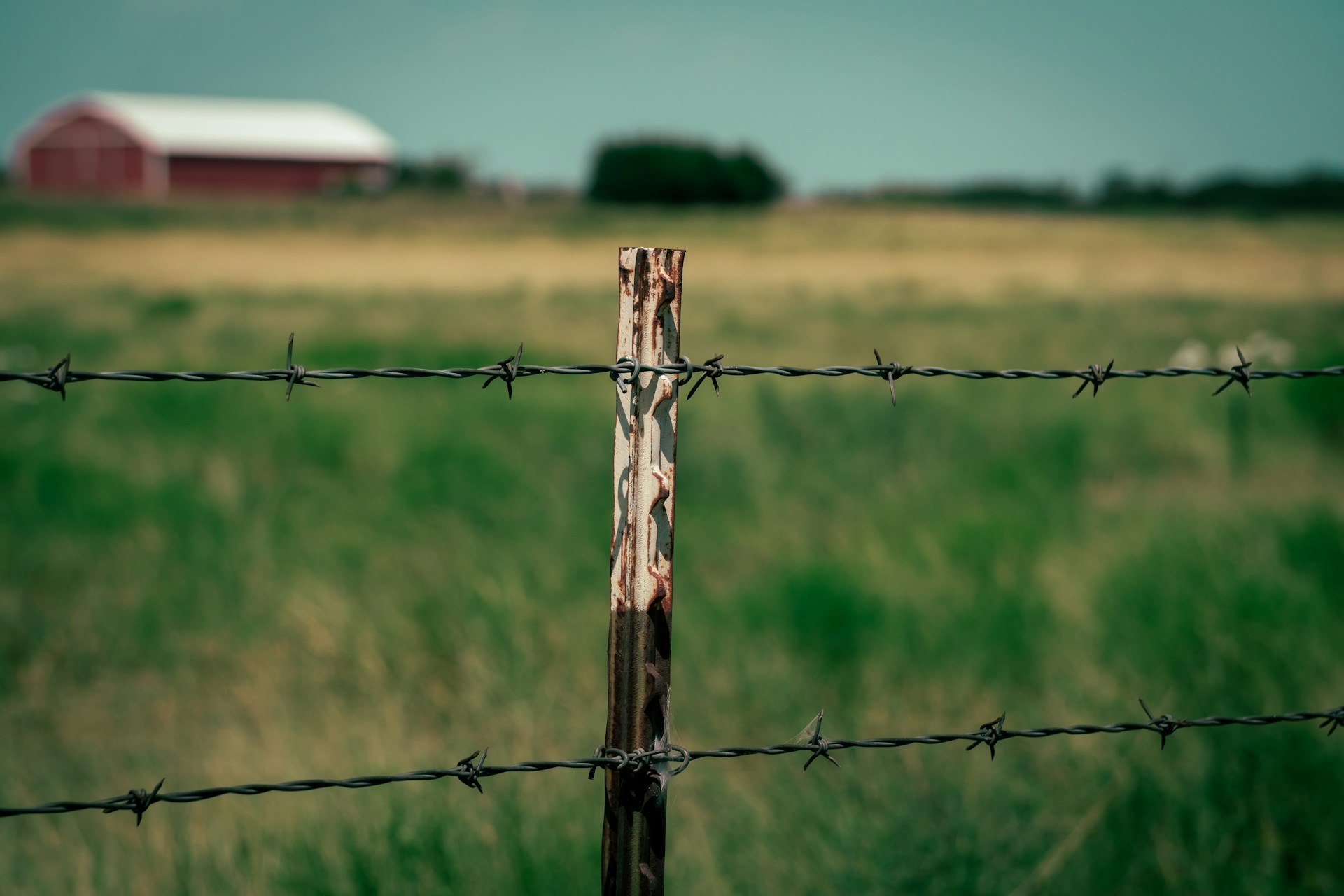
In today’s fast-paced world, the dream of self-sufficiency and homesteading is becoming increasingly appealing. However, many people believe that a significant amount of land is necessary to embark on this journey. The truth is, homesteading is a mindset and lifestyle choice that can be adapted to any living situation. Whether you’re in a city apartment or on a sprawling rural property, there are steps you can take towards self-sufficiency. Let’s explore the various ways you can embrace homesteading, no matter your space constraints.
1. Urban Homesteading: Making the Most of Small Spaces
Living in an urban environment doesn’t mean you have to give up on homesteading dreams. Urban homesteaders are creative and resourceful, finding ways to incorporate self-sufficiency into their city lives. Consider raising bees on apartment rooftops instead of livestock, or invest in a community garden plot to grow your own produce. Herbs can thrive on windowsills, and local farmers’ markets are great for sourcing meat and other essentials. Even composting can be adapted with a simple countertop bin.
2. Suburban Homesteading: Backyard Opportunities
For those in suburban areas, backyard homesteading offers a chance to expand your self-sufficiency efforts. A small garden can provide fresh produce for your family, and if local regulations permit, you might even keep chickens for eggs. With a bit more space, you can transition from indoor to outdoor composting. Collaborating with neighbors to share resources, like purchasing a cow together, can also enhance your homesteading experience.
3. The 5-Acre Dream: A Balanced Approach
Owning around 5 acres is often seen as the sweet spot for homesteading. This amount of land allows for a diverse range of activities, from raising chickens, goats, and pigs to maintaining a garden and greenhouse. You can plant fruit trees, establish a mini orchard, and even create a pond for fish farming. This level of homesteading provides a balance between self-sufficiency and manageability.
4. Large-Scale Homesteading: The Full Experience
For those with 10 or more acres, the possibilities for homesteading are vast. With ample space, you can grow your own food, raise cattle, and even chop wood for heating. Additional buildings like barns, root cellars, and greenhouses can support a fully self-sufficient lifestyle. While this level of homesteading requires significant resources and commitment, it offers the most comprehensive self-sufficiency experience.
5. Tailoring Homesteading to Your Lifestyle
Ultimately, homesteading is about what it means to you personally. Whether it’s producing your own food, raising animals, or reducing reliance on commercial products, your homesteading journey is unique. Start by assessing your current space and resources. If you can’t grow a garden, visit local farmers’ markets. If you can’t keep chickens, consider beekeeping or sourcing honey locally. Embrace DIY projects like making your own cleaning products or soap, and sell your creations locally.
In conclusion, homesteading is not defined by the amount of land you have but by the steps you take towards self-sufficiency. Whether you’re in an urban apartment or on a large rural property, there are countless ways to incorporate homesteading into your life. By adapting your practices to your environment and resources, you can embark on a fulfilling journey towards self-sufficiency and sustainability. Remember, every step you take brings you closer to your homesteading dreams.
Let us know what you think, please share your thoughts in the comments below.


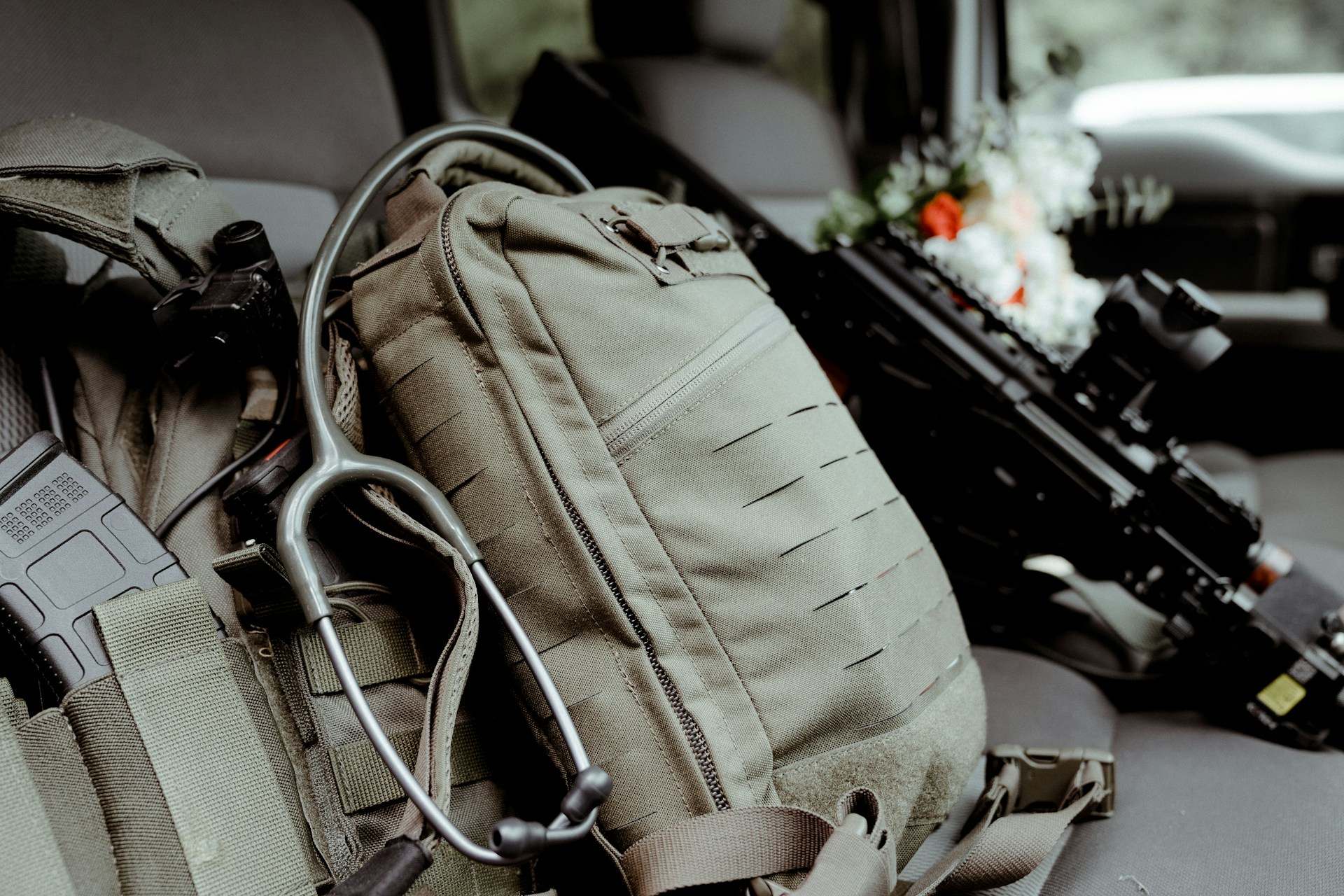
Survival isn’t just about wilderness skills or stockpiling food. In today’s America, survival means being ready — financially, mentally, and physically — for rapid change. Under President Trump’s current term, the country is moving fast. Supporters see decisive leadership, tougher borders, economic nationalism, and a renewed focus on American strength. But with that speed comes disruption, resistance, and uncertainty. That’s where personal preparedness comes in.
President Trump has made it clear he believes in self-reliance, national security, and strength over dependence. Those same principles apply at the household level. Whether it’s supply chain pressure, political unrest, inflation, or grid stress, Americans who prepare are simply harder to shake.
1. Control What You Can Control
Trump’s presidency has emphasized America first — but that mindset starts at home. You may not control Congress, global markets, or activist judges, but you can control your food, water, cash reserves, and personal security. A prepared household is less vulnerable to sudden price spikes, shortages, or emergencies caused by political or economic battles in Washington.
Stocking basic food, having backup power, and keeping cash on hand isn’t paranoia — it’s responsibility.
2. Supply Chains Are Still Fragile
Despite economic growth claims and lower energy prices in some areas, grocery costs and essentials remain unpredictable. Trump’s push for tariffs and reshoring manufacturing is aimed at long-term strength, but transitions aren’t painless. Short-term disruptions happen before long-term gains materialize.
Smart Americans don’t wait for headlines to confirm trouble. They quietly build buffers: extra food, household necessities, and alternative sourcing.
3. Civil Unrest Isn’t Going Away
Trump’s presidency continues to expose deep political divides. Protests, counter-protests, and aggressive rhetoric aren’t disappearing — they’re becoming normalized. Survival today means knowing how to avoid trouble, not chase it.
Situational awareness, safe travel habits, and basic home security upgrades matter more now than they did a decade ago. Strong borders don’t eliminate internal instability overnight.
4. Medical and Personal Readiness Matter
Government systems get stressed during shutdowns, disasters, or mass events. Trump often criticizes bloated bureaucracy for a reason — it moves slowly when speed matters. Having basic medical supplies, prescriptions, and personal health plans ensures you don’t depend entirely on institutions that may lag when demand spikes.
Preparedness is independence.
5. Survival Is a Mindset, Not Fear
Trump supporters are often labeled “fearful,” yet preparedness is the opposite of fear. It’s confidence. It’s knowing that no matter what happens — politically, economically, or socially — your family is stable.
The core Trump message has always been strength, resilience, and refusing to be weak or dependent. Survival thinking aligns perfectly with that philosophy.
America is changing. Fast leadership brings fast reactions. The prepared citizen doesn’t panic, protest, or plead — they adapt.
Survival today isn’t about hiding from the future. It’s about being ready to face it head-on.

Traveling internationally can be rewarding, but it also carries risks that vary widely by destination and situation. The U.S. government offers specific safety guidelines to help American travelers prepare, stay informed, and protect themselves throughout their trip.
Here are key practices U.S. citizens should follow to stay safe overseas:
1. Check Travel Advisories Before You Go
The U.S. Department of State issues travel advisories for every country. These advisories use a four-level system to show risk:
- Level 1: Exercise normal precautions
- Level 2: Exercise increased caution
- Level 3: Reconsider travel
- Level 4: Do not travel
Before booking or departing, always review the current advisory for your destination. Higher levels indicate serious risks like crime, civil unrest, terrorism, health emergencies, or limited emergency services.
2. Enroll in the Smart Traveler Enrollment Program (STEP)
Before departure, sign up for the Smart Traveler Enrollment Program (STEP). This free service connects you to the nearest U.S. embassy or consulate and keeps you informed with real-time updates about safety, weather, civil unrest, or health issues in your destination. It also makes it easier for authorities to contact you or your emergency contacts if needed.
3. Know Local Laws and Customs
U.S. citizens abroad must obey the laws of the country they are visiting. Local legal systems and penalties can differ significantly from those in the United States. Travelers should research local laws, dress codes, cultural norms, and any restricted activities before departure to avoid fines, detention, or legal complications.
4. Prepare Important Documents and Contacts
Carry your passport with you at all times and make digital copies of important documents like your passport page, travel insurance, and emergency contacts. Leave copies with someone at home and store them securely online. Keep local embassy contact information readily available in case you need assistance while abroad.
5. Have a Personal Emergency Plan
Emergencies can range from civil unrest and natural disasters to health crises and lost travel documents. Plan ahead:
- Know where the U.S. embassy or consulate is in your destination
- Have a communication plan with family or friends back home
- Know your travel insurance coverage and how to access medical care while abroad
- Understand evacuation routes and local emergency services
During a crisis, the U.S. government may not be able to evacuate you immediately. You should be ready to use commercial travel options to leave if it is safe to do so.
6. Stay Alert and Use Common Sense
Travel safety often comes down to ordinary precautions:
- Avoid risky areas and follow local authority instructions
- Keep a low profile and avoid displaying expensive items
- Be aware of your surroundings, especially in crowded or unfamiliar places
These practices reduce the chance of being targeted for theft or other crimes.
Why This Matters Today
Global travel risks can change quickly due to political tensions, health outbreaks, or civil unrest. For example, the U.S. government has issued worldwide travel caution alerts during periods of heightened international tension, underscoring the importance of staying updated with current risks.
Summary of Key Safety Steps
- Check official travel advisories for your destination
- Enroll in the Smart Traveler Enrollment Program (STEP)
- Know local laws and customs
- Carry and secure important travel documents
- Prepare a personal emergency plan
- Stay alert and cautious throughout your trip

Traveling across the United States is one of the great freedoms Americans enjoy. Whether you’re driving state to state, flying cross-country, or taking a long road trip, staying safe and fully within the law doesn’t require anything complicated. It just takes preparation, awareness, and a few essentials that every traveler should have in place before they go.
Here are five things you need to travel across America confidently, safely, and legally.
1. Valid Government-Issued Identification
This is non-negotiable.
A valid ID proves who you are and allows you to travel without unnecessary delays or problems.
For most people, this means:
- A valid driver’s license or REAL ID
- A state-issued ID card if you don’t drive
- A valid U.S. passport (especially useful for air travel)
If you’re flying, your ID must meet TSA requirements. If you’re driving, your license must be current and not suspended. Keep your ID easily accessible, but secure.
2. Proof of Legal Residency or Citizenship (If Applicable)
If you are a U.S. citizen, carrying proof such as a passport or passport card adds an extra layer of security during long trips, especially near border states or when flying.
If you are a legal resident or visa holder, you should always carry:
- Your valid visa or green card
- Any required travel documents associated with your status
Having proper documentation protects you from misunderstandings and unnecessary stress.
3. Proper Vehicle Documents (If Driving)
If you’re traveling by car, make sure your paperwork is up to date.
This includes:
- Vehicle registration
- Proof of insurance
- A valid driver’s license
Law enforcement checks are routine and usually brief when paperwork is in order. Keeping documents organized shows responsibility and helps everything go smoothly.
4. A Safe and Legal Travel Plan
You don’t need a strict itinerary, but you should know where you’re going and how you’ll get there.
A smart travel plan includes:
- Knowing your route and major stops
- Booking legal accommodations (hotels, campgrounds, or rentals)
- Understanding basic state laws (speed limits, phone use, toll roads)
Each state has its own rules, and being aware of them helps you avoid fines or problems.
5. Emergency Contacts and Communication
Safety isn’t just about laws — it’s about preparedness.
Carry a charged phone, a car charger or power bank, and a written list of emergency contacts in case technology fails.
It’s also wise to:
- Share your travel plans with someone you trust
- Check weather conditions regularly
- Keep emergency numbers saved and written down
Prepared travelers are calm travelers.
Final Thought
Traveling across America legally and safely doesn’t require fear or special permissions. It requires valid identification, proper documents, respect for local laws, and basic preparedness.
When you travel with everything in order, you’re free to enjoy the journey — not worry about it.
-

 Off The Grid11 months ago
10 Foods That Could Save Your Life When Grocery Shelves Are Empty
-
 Tactical2 years ago
70-Year-Old Fends Off Intruder with Lead-Powered Message
-
 Tactical2 years ago
Vape Shop Employee Confronts Armed Crooks, Sends Them Running
-

 Preparedness10 months ago
5 Things You Should Always Carry During a Winter Storm
-

 Nature and Wildlife11 months ago
10 Survival Skills You Should Learn Before You Need Them
-

 Preparedness2 years ago
Ex-Ballerina’s Guilty Verdict Sends Tremors Through Gun-Owner Community
-

 Preparedness10 months ago
Smart Person’s Checklist: 10 Things You’ll Wish You Had When Disaster Strikes
-
 Preparedness1 year ago
Discover Free Land in These Three Surprising States
MS.Beverly
February 1, 2025 at 2:29 pm
Great article on different levels of homesteading. . knowing that our food air water soil are loaded with toxins we need a way for families and all those who have a desire to make a difference in our lives.
more articles on easy ways too bee keeping simple ways to grow vegetables fruits and even the lowly dandelion is a prized health food. long hated by ignorant so called farmers who will use the killing potion of agent orange /roundup to kill them!
people have lost their minds and health by believing big pharma big chem big agra!