Tactical
“Rust” Armorer Given Max Sentence After Baldwin Shooting Fiasco

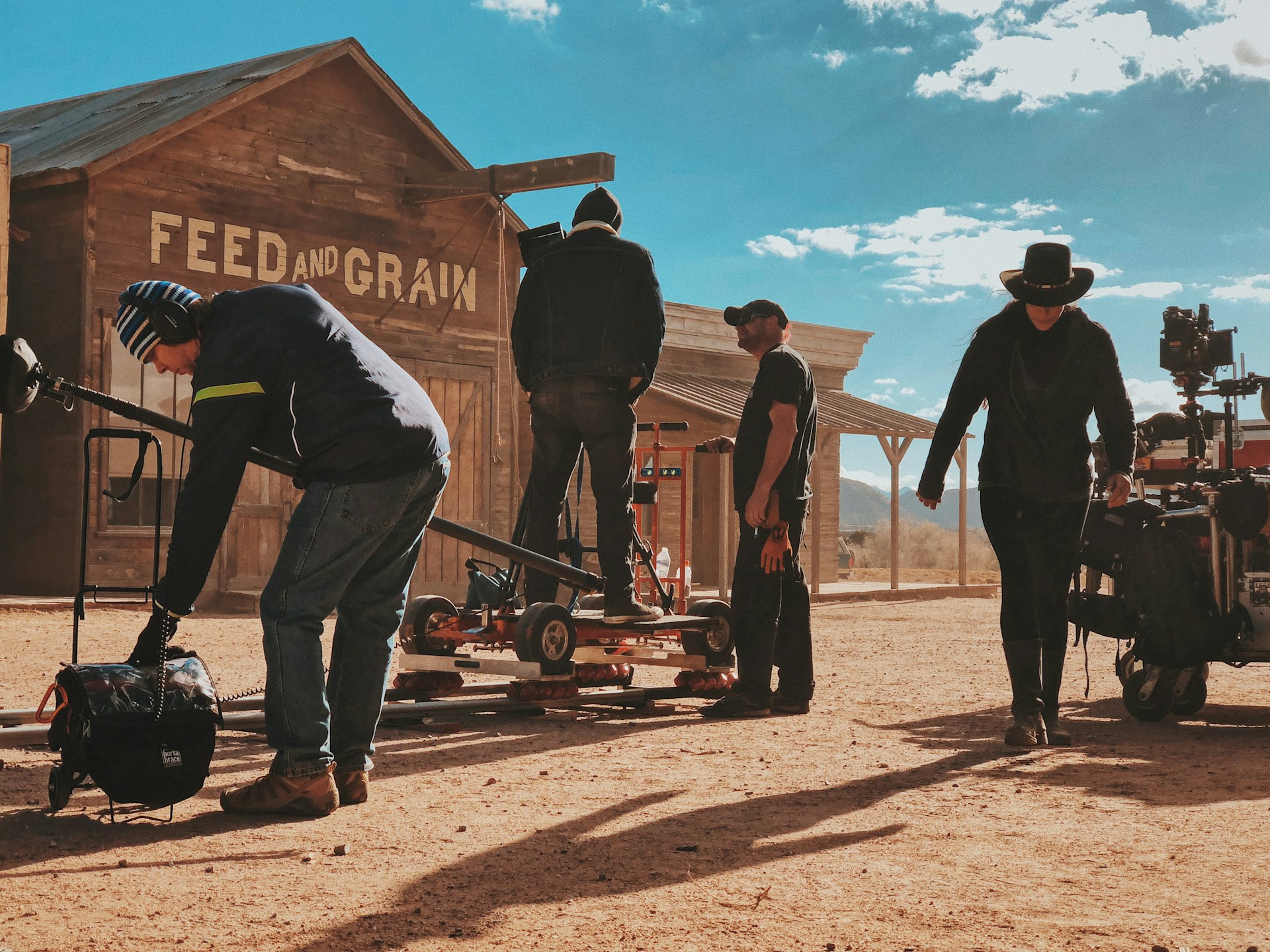
In retrospect to the fatal shooting that took place on the set of the movie “Rust” in October 2021, the individual responsible for the safety of ammunition and firearms on set, Hannah Gutierrez-Reed, has been sentenced to the maximum penalty. This tragic incident resulted in the death of 42-year-old cinematographer Halyna Hutchins.
Just last month, Gutierrez-Reed, 24 years of age at the time of the incident, was convicted of involuntary manslaughter. Despite being acquitted of a lesser charge relating to evidence tampering, as reported by Blaze News, the onus was on her for not ensuring the safety of the ammunition and firearms on set. This included loading the live round into the firearm that fired the fatal shot.
During her sentencing hearing on Monday, Gutierrez-Reed was visibly distressed. Her lawyer, Jason Bowles, had pleaded for her to be released conditionally along with therapy. Bowles defended her by stating she was a “scapegoat” for the shooting and asserting that she “has endured and will continue to endure collateral consequences far harsher than most defendants ever must face.”
However, Prosecutor Kari Morrissey was not moved. She would have potentially advocated for a lighter sentence for the “unprecedented case,” but recent jail phone calls allegedly featuring Gutierrez-Reed referring to jurors using derogatory terms changed her stance.
In addition to these allegations, reports suggest that Gutierrez-Reed violated her release conditions by consuming alcohol while awaiting trial. She also purportedly misinformed prosecutors about her employment history and allegedly instigated her mother to confront them at court, the New York Post reports.
Gutierrez-Reed “continues to deny responsibility and blame others,” prosecutors highlighted in a letter last week.
During the hearing, Morrissey expressed her disappointment: “It was my sincere hope during this process that there would be some moment when Ms. Gutierrez took responsibility and expressed some level of remorse that was genuine. That moment has never come. Ms. Gutierrez continues to refuse to take responsibility for her role in the death of Halyna Hutchins.”
Backing up her sentiment, District Court Judge Mary Marlowe Sommer concurred, sentencing Gutierrez-Reed to 18 months in prison – the maximum sentence for involuntary manslaughter in the state of New Mexico, where “Rust” was filmed. “You alone turned a safe weapon into a lethal weapon,” the judge addressed the defendant. “But for you, a husband would have his wife and a little boy would have his mother.”
Gutierrez-Reed’s conviction has kept her incarcerated, and her defense attorney, Bowles, has given indication of an appeal.
During the hearing, several of Hutchins’ loved ones shared their impact statements, expressing the ongoing effects of their loss. Emilia Mendieta, one of Hutchins’ close friends, referred to Hutchins’ death as a consequence of “a massive system failure,” of which Gutierrez-Reed was part. “Why was there a live bullet on set? … That is where Hannah Gutierrez-Reed failed Halyna. It was her job to check the gun, check the bullets, to ensure that Halyna was safe,” she asserted.
Family friend Steven Metz shared that Halyna’s husband, Matt Hutchins, “basically … died” when she did. He expresses, “There is really no excuse [for her death].”
Actor Alec Baldwin, who allegedly fired the fatal shot, is also facing an involuntary manslaughter charge in connection with the case. Despite evidence suggesting he pulled the trigger, Baldwin insists that the firearm malfunctioned. His trial is set for July.
David Halls, the first assistant director on “Rust,” admitted to negligent use of a deadly weapon and received probation as his sentence.
The movie “Rust” resumed filming after the fatal incident but it hasn’t been released yet. As part of a wrongful death lawsuit settlement, Matthew Hutchins was appointed an executive producer.
Let us know what you think, please share your thoughts in the comments below.


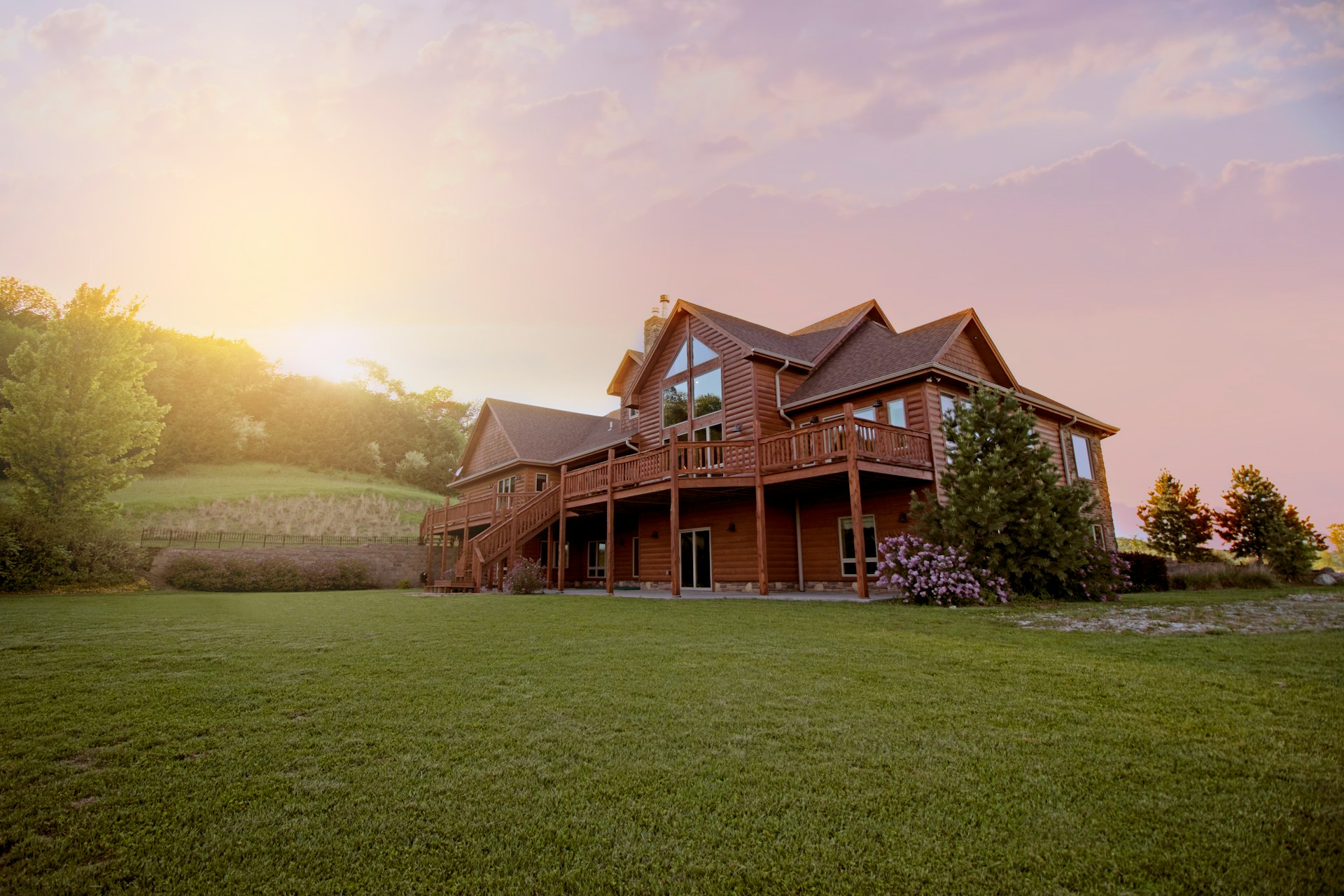
A safe home does not require expensive upgrades or complicated systems. Many of the most effective changes are simple steps you can take right now. Whether you are preparing for a storm, a power outage, or everyday security issues, knowing how to strengthen your home quickly can give you immediate peace of mind. These five actions take only minutes, but each one cuts down real risks and helps protect the people and belongings you care about.
1. Improve Your Exterior Lighting
Poor lighting makes it easier for accidents and break-ins to happen. Adding bright bulbs to porches, pathways, and driveways is one of the fastest ways to reduce danger. Motion-sensor lights are inexpensive and use very little electricity. Good lighting keeps you from tripping in the dark and makes your home less inviting to anyone with bad intentions.
2. Check and Strengthen Your Locks
Many people assume their locks are secure until they actually test them. Walk through your home and check every door and window. Make sure each one closes fully and locks tightly. If any lock feels loose, replace it or tighten the screws. Installing a simple deadbolt on exterior doors adds a major layer of protection. Even a small upgrade can stop forced entry attempts.
3. Remove Common Indoor Hazards
Home accidents often start with everyday items that people overlook. Clear walkways, secure loose rugs, organize power cords, and remove anything that blocks exits. Check that smoke alarms and carbon monoxide detectors work and have fresh batteries. A few minutes of hazard removal can prevent falls, fires, or smoke-related emergencies.
4. Create a Simple Emergency Plan
During a crisis, confusion and panic cause more harm than the event itself. Make a basic plan that covers where you will meet, how you will communicate, and which items you would grab in an evacuation. Keep a small emergency kit in an easy-to-reach spot. A clear plan allows you to act quickly instead of scrambling in the moment.
5. Reinforce Entry Points
Windows and doors are the first places that fail during break-ins and strong storms. Adding simple reinforcements helps keep your home secure. Install window locks or wooden rods to prevent sliding windows from opening. Secure your garage door by engaging the manual lock. Place a doorstop or wedge behind vulnerable doors for added strength. Small changes can significantly increase resistance during emergencies.
Final Thoughts
Home safety starts with awareness and small improvements that add up quickly. By increasing light, checking locks, removing hazards, planning ahead, and reinforcing entry points, you create a safer environment for both everyday life and unexpected emergencies. You do not need expensive systems to protect your home. You just need a few smart steps and the habit of staying prepared.
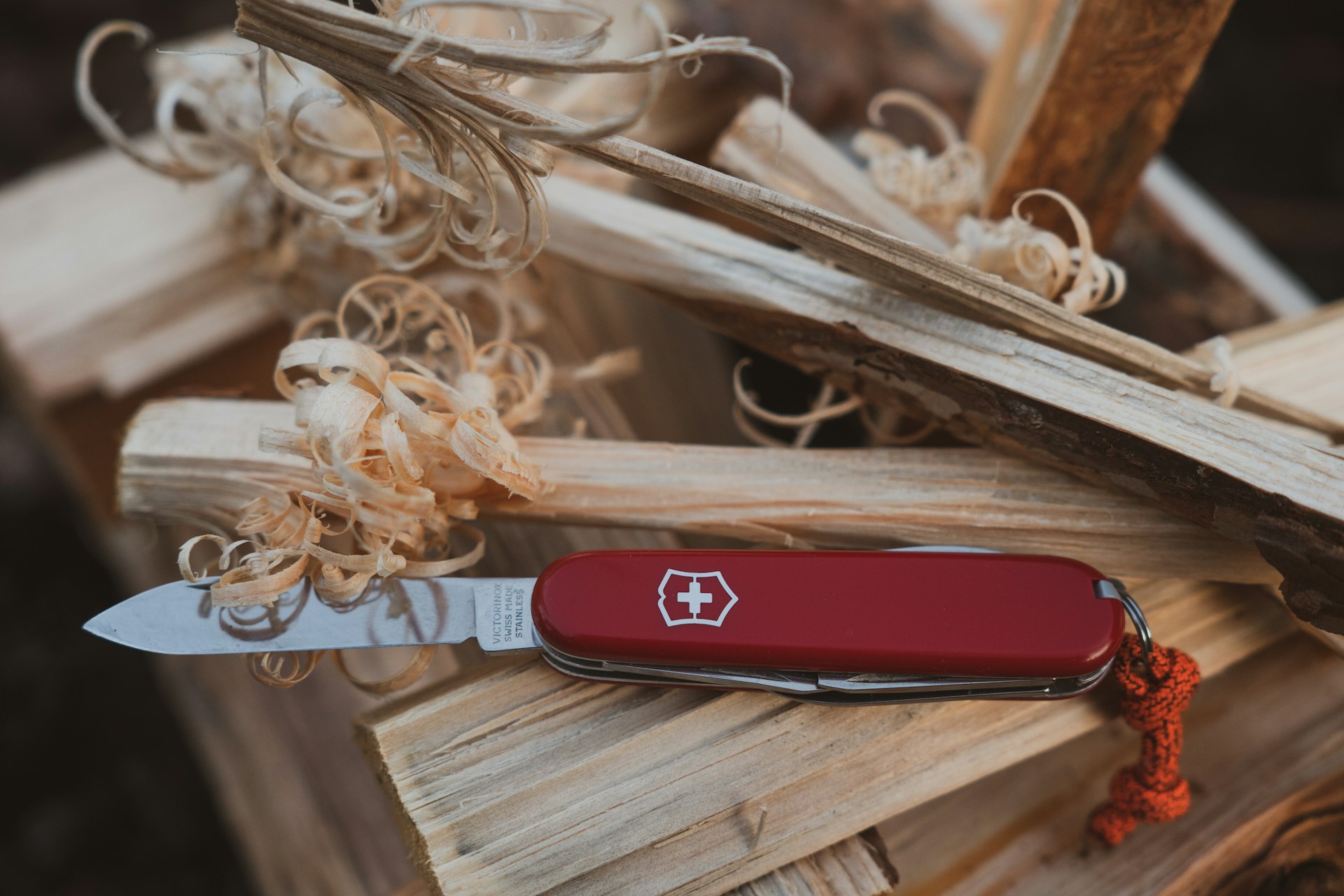
When life gets unpredictable, the most valuable tool you can carry isn’t a gadget or a stockpile — it’s a skill. The right skills turn fear into focus and confusion into action. They help you stay steady when others panic, and they give you choices when things start to fall apart.
Here are five survival skills that genuinely put you back in control, no matter what kind of crisis you face.
1. Knowing How to Stay Warm the Smart Way
Survival isn’t always about the cold — it’s about losing heat faster than you can replace it.
Most people instinctively reach for more clothing, but the real skill is understanding heat management:
- Layer light clothing instead of heavy pieces
- Keep your core warm above everything else
- Block wind before adding warmth
- Stay dry — moisture is the real enemy
Once you understand how your body loses heat, you’re no longer at the mercy of the weather. You can stay warm with less gear, fewer resources, and far more confidence.
2. The Ability to Find or Purify Water Anywhere
Water goes from “background convenience” to “critical priority” very quickly in a crisis.
Knowing how to locate water — and make it safe — puts you in control in ways most people overlook.
Useful methods include:
- Collecting rainwater safely
- Using common household items (coffee filters, bleach, boiling)
- Identifying safe natural sources
- Avoiding contaminated runoff
Even simple techniques can transform questionable water into something drinkable. Skill beats equipment here.
3. Staying Calm When Everyone Else is Losing Their Head
The most powerful survival skill isn’t physical — it’s mental.
Panic narrows your vision. Calm thinking widens your options.
People who stay calm can:
- Communicate clearly
- Make better decisions
- Notice escape routes others miss
- Work through problems step by step
This is the skill that makes every other skill work. You don’t need superhuman nerves — just practice, breathing control, and a habit of slowing down before you react.
4. Basic First Aid You Can Use Immediately
You don’t need to be a medic to save a life.
A handful of basic skills — stopping bleeding, cooling burns, spotting infection, supporting a sprain — can change the outcome of an emergency dramatically.
Most people freeze because they’re unsure what to do.
Learning even a few practical steps puts you in control when someone gets hurt and professional help is still far away.
5. Knowing How to Create Light, Signal, or Get Attention
Darkness is disorienting. Silence is even worse.
If you can create light or send a signal, you regain control over your surroundings.
A few valuable abilities include:
- Using reflective surfaces to signal
- Knowing how to start a safe fire
- Making noise that carries distance
- Using everyday items (flashlights, whistles, phones) efficiently
Light and sound turn you from “isolated” to “visible,” and visibility is power in any crisis.
Final Thought
Control doesn’t come from luck. It comes from preparation you can use anywhere — skills that stay with you whether you’re at home, on the road, or caught in a situation you never expected.
When you understand how to think clearly, stay warm, find water, treat injuries, and get attention when needed, you’re not just surviving… you’re directing the moment.
Not every dangerous moment involves a direct confrontation. Sometimes the real threat is confusion, panic, or not knowing what to grab when you need to react fast. Your home already has simple items that can help you stay oriented, stay calm, and get out safely if something goes wrong — whether it’s a break-in, a fire, or any unexpected emergency.
Here are five everyday things that can quietly strengthen your safety plan without feeling like “preparedness gear.”
1. A Pair of Shoes You Can Slip On Fast
This sounds almost too simple, but it’s one of the most overlooked safety tools in any house.
If you need to leave in a hurry — even just to get outside and call for help — you don’t want to waste time with laces or walk barefoot over broken glass, cold pavement, or debris. Keep a sturdy slip-on pair by your bed. It’s a small habit that can make a huge difference.
2. A Charged Old Phone
Even a disconnected phone can still call 911.
If you have an old smartphone in a drawer, charge it and leave it in your bedroom or a hidden spot. During an emergency, your main phone might be out of reach, dead, or taken. Having a backup gives you a second chance to call for help.
3. A Mini Flashlight on Your Nightstand
Power outages often happen at the worst moments. A small flashlight helps you see where you’re stepping, find your keys, or check on a noise without stumbling around in the dark. It also helps you avoid tripping hazards if you need to move quickly. Choose a compact LED one and keep it in the same spot every night.
4. A Loud Whistle
If you can’t shout, or your voice doesn’t carry far, a whistle can be your lifeline.
It cuts through walls, hallways, and even outdoor distance better than yelling. Whether you’re trying to alert a neighbor, scare off an intruder, or signal for help during a medical emergency, a whistle is one of the most underrated tools for personal safety.
5. A Written “Quick Escape Plan”
You don’t need blueprints — just a simple index card taped inside a drawer or next to your nightstand.
Write down:
• Your fastest exit routes
• Where your keys always stay
• Where your phone and flashlight stay
• A reminder to put on shoes
• Who to call first
In a panic, people forget steps. A small card keeps your mind focused and your actions clear.
Final Thought
Self-protection starts long before danger shows up. It’s not about preparing for a fight — it’s about preparing to move, think, and react in a way that keeps you safe.
-

 Off The Grid11 months ago
10 Foods That Could Save Your Life When Grocery Shelves Are Empty
-
 Tactical2 years ago
70-Year-Old Fends Off Intruder with Lead-Powered Message
-
 Tactical2 years ago
Vape Shop Employee Confronts Armed Crooks, Sends Them Running
-

 Preparedness10 months ago
5 Things You Should Always Carry During a Winter Storm
-

 Nature and Wildlife11 months ago
10 Survival Skills You Should Learn Before You Need Them
-

 Preparedness2 years ago
Ex-Ballerina’s Guilty Verdict Sends Tremors Through Gun-Owner Community
-
 Preparedness10 months ago
Smart Person’s Checklist: 10 Things You’ll Wish You Had When Disaster Strikes
-
 Preparedness1 year ago
Discover Free Land in These Three Surprising States
jimmy boyett
April 21, 2024 at 4:34 pm
Any idiot would check any firearm to see if it had a LIVE ROUND in it, but baldwin is too damn stupid to check the weapon, he had rather blame every one else, the dumb bastard should get the maximum sentence, however due to his wealth, he will Not have to do time, soo unfair ?
K.A. Davison
April 21, 2024 at 4:52 pm
I will predict that when this is finally adjudicated, we will hear of Mr. Baldwin being painted as a co-equal victim in the shooting and that “the system” is pleased with having the armorer behind bars. The judge will say something like “Mr. Baldwin I wish to thank you for your patience in this matter, you are now free to live your life and you may return to your habit of accosting strangers on the streets of NYC and acting the tough guy. . . and may I have your autograph before you leave.”
Paul
April 21, 2024 at 6:23 pm
As an instructor, it is the handlers responsibility to check every firearm, every time. I never hand a loaded firearm to anyone! You load it, you shoot it, you learn your firearm. He is 100% liable for cocking it and pulling the trigger, single action forearms don’t just go off, especially with the supplier making sure they are in perfect working condition when they are rented to the movie company. There never should have been any live ammo on the set, that is the fault of whom ever brought it, and they should not have been shooting on break. What a chicken shit for trying to pass the responsibility on to someone else. He’s a dumb ass!
Bret
April 22, 2024 at 12:24 pm
If you have a firearm in your hand, you are responsible for knowing if it’s loaded, is the safety on or off, where it’s pointed and what it is loaded with. It is just like Hollywood to pass this responsibility off to the peons on the set because you know, stars are too important to be responsible for what everyone is in America is responsible for.