Preparedness
Arizona Mom Survives Vicious Pit Bull Attack Thanks to Quick-Thinking Daughter

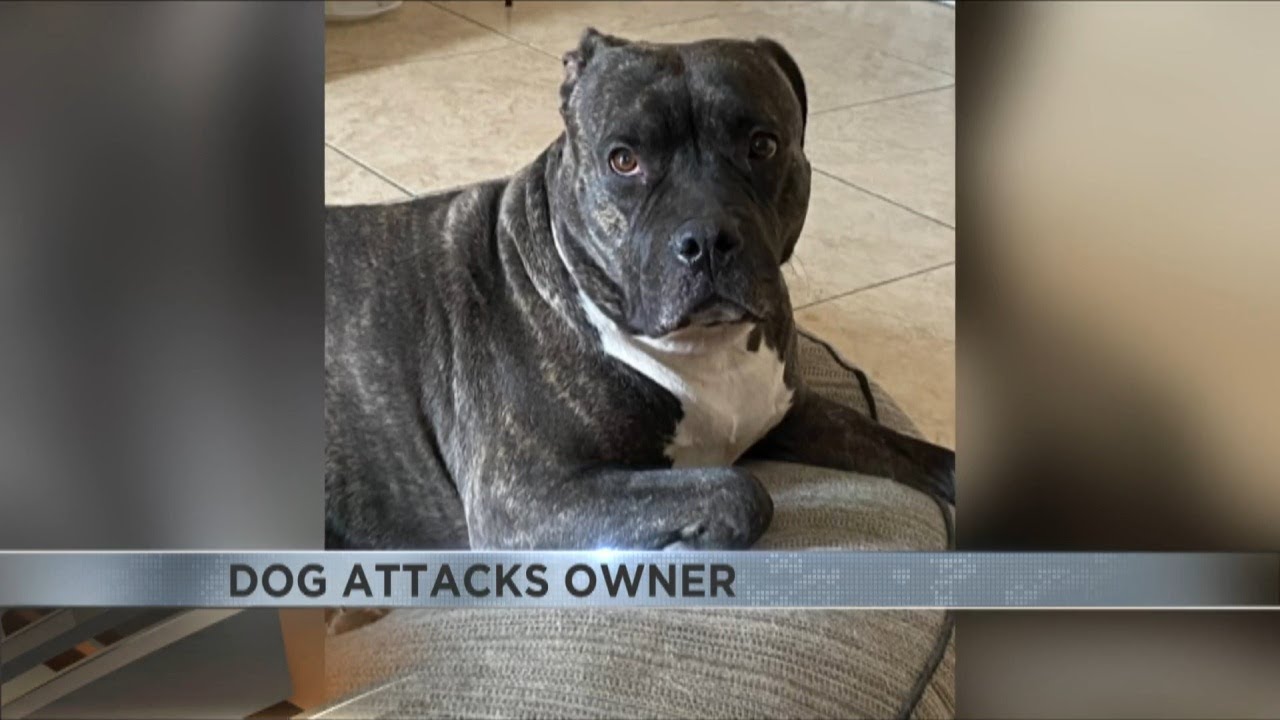
In a shocking turn of events, Enza Piazza, a woman from Arizona, recounts a traumatic incident during which she was severely attacked by a pit bull she had saved from homelessness and nursed back to health over a period of four years.
Piazza opened her home to Baby Girl, the pit bull, in 2020. However, she never anticipated the life-threatening nightmare that would soon unfold.
“I had a collapsed lung, I had already lost two pints of blood,” Piazza grimly recalled of the incident, which occurred late last year without any apparent provocation on her part.
The dog’s sudden switch to aggression left Piazza fearing for her life. “She rag-dolled me back and forth,” she described. “I couldn’t gasp for air, and that very moment, I had no idea I had a collapsed lung, I had already lost two pints of blood.”
Weighing roughly 90 pounds, the pit bull was a formidable adversary.
“She was literally on top of me, and going for my arms, and just taking flesh, back and forth,” Piazza continued.
In the heat of the moment, Piazza called out to her daughter Nina, instructing her to retrieve a firearm.
“My mom reminded me of the gun that we had and she said, ‘Go get it,’ and I said, ‘Are you sure?’ because I didn’t want to do that,” Nina shared.
Nina took her mother’s advice and shot at the dog, not once, but thrice.
“She started turning around, and my mom said, ‘Do it one more time’ so I did it one more time and she was still moving so I did it another time, and that’s when she laid down,” Nina explained.
Since the incident, Piazza has faced criticism for the manner in which the dog was put down. However, she firmly maintains that she was left with no other options. “There was no controlling the situation at all, and I would’ve never hurt her ever,” she insists. “I rescued her; I would’ve never hurt her.”
In the aftermath, Piazza has required three surgeries and continuous therapy. She also experiences nightmares and flashbacks caused by the encounter.
The incident has reignited debates about pit bull ownership and legislation. In the face of numerous incidents involving pit bulls attacking humans, some fatally, government officials have proposed banning the breed. Conversely, defenders argue that the owners should bear responsibility for their pet’s actions, rather than the entire breed being punished.
Earlier this year, a man was fatally mauled by his own pit bulls at his home in Compton, prompting police to euthanize the 13 dogs on the property.
For those interested, Piazza’s full interview can be viewed on KVOA’s YouTube channel.
Watch a local news report about the incident below:
Let us know what you think, please share your thoughts in the comments below.


Survival isn’t just about wilderness skills or stockpiling food. In today’s America, survival means being ready — financially, mentally, and physically — for rapid change. Under President Trump’s current term, the country is moving fast. Supporters see decisive leadership, tougher borders, economic nationalism, and a renewed focus on American strength. But with that speed comes disruption, resistance, and uncertainty. That’s where personal preparedness comes in.
President Trump has made it clear he believes in self-reliance, national security, and strength over dependence. Those same principles apply at the household level. Whether it’s supply chain pressure, political unrest, inflation, or grid stress, Americans who prepare are simply harder to shake.
1. Control What You Can Control
Trump’s presidency has emphasized America first — but that mindset starts at home. You may not control Congress, global markets, or activist judges, but you can control your food, water, cash reserves, and personal security. A prepared household is less vulnerable to sudden price spikes, shortages, or emergencies caused by political or economic battles in Washington.
Stocking basic food, having backup power, and keeping cash on hand isn’t paranoia — it’s responsibility.
2. Supply Chains Are Still Fragile
Despite economic growth claims and lower energy prices in some areas, grocery costs and essentials remain unpredictable. Trump’s push for tariffs and reshoring manufacturing is aimed at long-term strength, but transitions aren’t painless. Short-term disruptions happen before long-term gains materialize.
Smart Americans don’t wait for headlines to confirm trouble. They quietly build buffers: extra food, household necessities, and alternative sourcing.
3. Civil Unrest Isn’t Going Away
Trump’s presidency continues to expose deep political divides. Protests, counter-protests, and aggressive rhetoric aren’t disappearing — they’re becoming normalized. Survival today means knowing how to avoid trouble, not chase it.
Situational awareness, safe travel habits, and basic home security upgrades matter more now than they did a decade ago. Strong borders don’t eliminate internal instability overnight.
4. Medical and Personal Readiness Matter
Government systems get stressed during shutdowns, disasters, or mass events. Trump often criticizes bloated bureaucracy for a reason — it moves slowly when speed matters. Having basic medical supplies, prescriptions, and personal health plans ensures you don’t depend entirely on institutions that may lag when demand spikes.
Preparedness is independence.
5. Survival Is a Mindset, Not Fear
Trump supporters are often labeled “fearful,” yet preparedness is the opposite of fear. It’s confidence. It’s knowing that no matter what happens — politically, economically, or socially — your family is stable.
The core Trump message has always been strength, resilience, and refusing to be weak or dependent. Survival thinking aligns perfectly with that philosophy.
America is changing. Fast leadership brings fast reactions. The prepared citizen doesn’t panic, protest, or plead — they adapt.
Survival today isn’t about hiding from the future. It’s about being ready to face it head-on.

Traveling internationally can be rewarding, but it also carries risks that vary widely by destination and situation. The U.S. government offers specific safety guidelines to help American travelers prepare, stay informed, and protect themselves throughout their trip.
Here are key practices U.S. citizens should follow to stay safe overseas:
1. Check Travel Advisories Before You Go
The U.S. Department of State issues travel advisories for every country. These advisories use a four-level system to show risk:
- Level 1: Exercise normal precautions
- Level 2: Exercise increased caution
- Level 3: Reconsider travel
- Level 4: Do not travel
Before booking or departing, always review the current advisory for your destination. Higher levels indicate serious risks like crime, civil unrest, terrorism, health emergencies, or limited emergency services.
2. Enroll in the Smart Traveler Enrollment Program (STEP)
Before departure, sign up for the Smart Traveler Enrollment Program (STEP). This free service connects you to the nearest U.S. embassy or consulate and keeps you informed with real-time updates about safety, weather, civil unrest, or health issues in your destination. It also makes it easier for authorities to contact you or your emergency contacts if needed.
3. Know Local Laws and Customs
U.S. citizens abroad must obey the laws of the country they are visiting. Local legal systems and penalties can differ significantly from those in the United States. Travelers should research local laws, dress codes, cultural norms, and any restricted activities before departure to avoid fines, detention, or legal complications.
4. Prepare Important Documents and Contacts
Carry your passport with you at all times and make digital copies of important documents like your passport page, travel insurance, and emergency contacts. Leave copies with someone at home and store them securely online. Keep local embassy contact information readily available in case you need assistance while abroad.
5. Have a Personal Emergency Plan
Emergencies can range from civil unrest and natural disasters to health crises and lost travel documents. Plan ahead:
- Know where the U.S. embassy or consulate is in your destination
- Have a communication plan with family or friends back home
- Know your travel insurance coverage and how to access medical care while abroad
- Understand evacuation routes and local emergency services
During a crisis, the U.S. government may not be able to evacuate you immediately. You should be ready to use commercial travel options to leave if it is safe to do so.
6. Stay Alert and Use Common Sense
Travel safety often comes down to ordinary precautions:
- Avoid risky areas and follow local authority instructions
- Keep a low profile and avoid displaying expensive items
- Be aware of your surroundings, especially in crowded or unfamiliar places
These practices reduce the chance of being targeted for theft or other crimes.
Why This Matters Today
Global travel risks can change quickly due to political tensions, health outbreaks, or civil unrest. For example, the U.S. government has issued worldwide travel caution alerts during periods of heightened international tension, underscoring the importance of staying updated with current risks.
Summary of Key Safety Steps
- Check official travel advisories for your destination
- Enroll in the Smart Traveler Enrollment Program (STEP)
- Know local laws and customs
- Carry and secure important travel documents
- Prepare a personal emergency plan
- Stay alert and cautious throughout your trip

Traveling across the United States is one of the great freedoms Americans enjoy. Whether you’re driving state to state, flying cross-country, or taking a long road trip, staying safe and fully within the law doesn’t require anything complicated. It just takes preparation, awareness, and a few essentials that every traveler should have in place before they go.
Here are five things you need to travel across America confidently, safely, and legally.
1. Valid Government-Issued Identification
This is non-negotiable.
A valid ID proves who you are and allows you to travel without unnecessary delays or problems.
For most people, this means:
- A valid driver’s license or REAL ID
- A state-issued ID card if you don’t drive
- A valid U.S. passport (especially useful for air travel)
If you’re flying, your ID must meet TSA requirements. If you’re driving, your license must be current and not suspended. Keep your ID easily accessible, but secure.
2. Proof of Legal Residency or Citizenship (If Applicable)
If you are a U.S. citizen, carrying proof such as a passport or passport card adds an extra layer of security during long trips, especially near border states or when flying.
If you are a legal resident or visa holder, you should always carry:
- Your valid visa or green card
- Any required travel documents associated with your status
Having proper documentation protects you from misunderstandings and unnecessary stress.
3. Proper Vehicle Documents (If Driving)
If you’re traveling by car, make sure your paperwork is up to date.
This includes:
- Vehicle registration
- Proof of insurance
- A valid driver’s license
Law enforcement checks are routine and usually brief when paperwork is in order. Keeping documents organized shows responsibility and helps everything go smoothly.
4. A Safe and Legal Travel Plan
You don’t need a strict itinerary, but you should know where you’re going and how you’ll get there.
A smart travel plan includes:
- Knowing your route and major stops
- Booking legal accommodations (hotels, campgrounds, or rentals)
- Understanding basic state laws (speed limits, phone use, toll roads)
Each state has its own rules, and being aware of them helps you avoid fines or problems.
5. Emergency Contacts and Communication
Safety isn’t just about laws — it’s about preparedness.
Carry a charged phone, a car charger or power bank, and a written list of emergency contacts in case technology fails.
It’s also wise to:
- Share your travel plans with someone you trust
- Check weather conditions regularly
- Keep emergency numbers saved and written down
Prepared travelers are calm travelers.
Final Thought
Traveling across America legally and safely doesn’t require fear or special permissions. It requires valid identification, proper documents, respect for local laws, and basic preparedness.
When you travel with everything in order, you’re free to enjoy the journey — not worry about it.
-

 Off The Grid11 months ago
10 Foods That Could Save Your Life When Grocery Shelves Are Empty
-

 Tactical2 years ago
70-Year-Old Fends Off Intruder with Lead-Powered Message
-
 Tactical2 years ago
Vape Shop Employee Confronts Armed Crooks, Sends Them Running
-

 Preparedness11 months ago
5 Things You Should Always Carry During a Winter Storm
-

 Nature and Wildlife11 months ago
10 Survival Skills You Should Learn Before You Need Them
-

 Preparedness2 years ago
Ex-Ballerina’s Guilty Verdict Sends Tremors Through Gun-Owner Community
-

 Preparedness11 months ago
Smart Person’s Checklist: 10 Things You’ll Wish You Had When Disaster Strikes
-

 Preparedness1 year ago
Discover Free Land in These Three Surprising States
Linda
June 15, 2024 at 12:12 pm
PIT BULLS SHOULD BE REMOVED FROM THE EARTH! The instinct to kill is inside them. Every person should learn how to use a firearm AND USE IT TO KILL AN ANIMAL THAT ATTACKS. ..PERIOD.
Karen
June 15, 2024 at 5:18 pm
You think a pit bull is bad? There are far bigger, stronger, with more bite force, around. Check out the Ovchark (Caucasian Shepherd), the Kangal, the Cane Corso, the Mastiff, the Rottie, the Wolf Hybrid, the Dogo Argentino and a few more. Any one of these dogs would eat a pit bull for lunch. The Ovchark can take on anything and will dispatch it in short order. Same with a Kangal. I think one of the most terrifying things I’ve ever seen in my life is an Ovchark fighting.
What’s truly unfortunate in this story is this dog was a rescue. I think rescuing any dog is a big risk, but a pit bull especially as you don’t know how it was raised or trained. It’s a very sad situation and one can tell that this lady and her daughter were very torn over having to shoot this dog. They were in a kill-or-be-killed situation. I don’t care how much I love my dog, if it attacked me, another family member, a person or their dog, I would have done the same thing. What strikes me as odd in this instance is they had the dog for 4 years and it never showed any aggression. Not sure I fully believe that though. Does this mean I think they were wrong in killing the dog? Absolutely NOT!!!
“Every person should learn how to use a firearm AND USE IT TO KILL AN ANIMAL THAT ATTACKS…PERIOD.” Agree with you 1,000 percent on both counts! I’m a firm believer in any Citizen of legal age being trained to use a gun and owning at least one.
Mcb
June 15, 2024 at 12:37 pm
It is very common for Pitbulls to turn, especially ones that have been adopted after a certain age, but they are not the only breed out there that will turn after they’ve been adopted. Animals are quite different than humans they require less. Of a reaction to turn on their owners people study humans more than they study animals the effect of animals, brains and emotions are not that well known no matter what anyone may say it is true that animals are humans best friend but they have feelings and pain just like Anything else?
Justin
June 15, 2024 at 3:04 pm
Every dog has the instinct to chase/kill. The dog being a rescue was the problem. Not knowing what has happened in the past is a major issue. Not sure what Linda’s problem is with the breed. The kid did the right thing at the mom’s urging. Sucks for the kid though
Skippy
June 15, 2024 at 3:25 pm
Keep in mind that this was a “Rescue” Dogs will mirror their owner’s in how they are raised. Owner’s should be held accountable for the dogs actions. Do you ban all Children because of the few who grow up to be a Thief, Wife beater or Serial Killer. On another note, this is a prime example of ownership of a firearm and proper knowledge of how to use it saved the life of the homeowner and quite possibly others in the home.
Jeff
June 15, 2024 at 5:00 pm
Linda,
I’ve owned 2 pits & they were nothing but big old babies.
How were this aggressive dogs bred, treated, etc.(and any other breed, German Shepherds, Dobermans)?
Don’t broad brush the entire breed. Education on your part is key, not emotional comments.
Steve
June 16, 2024 at 12:29 pm
Sorry, but I would never own a dog that scares me.
Mike kenney
June 16, 2024 at 11:11 pm
What idiot put up “ it should be discouraged.
Perhaps they would like to be tonights meal for some deranged dog