Preparedness
Why Your Emergency Food Storage Could Be Slowly Killing Your Family


Emergency medicine physicians are sounding an urgent alarm about a crisis within a crisis: families surviving disasters and emergencies only to suffer devastating health consequences from the very food they stockpiled to keep them safe.
While the prepper community has focused intensely on quantity and shelf life, mounting evidence suggests that the nutritional quality of emergency food supplies may be the difference between merely surviving and actually thriving through extended crises.
“We’re seeing a pattern emerge from long-term disaster scenarios,” explains Dr. Rachel Martinez, an emergency medicine physician who has studied health outcomes in prolonged crisis situations. “Families make it through the immediate danger, but within 2-3 weeks we start seeing vitamin deficiencies, immune system collapse, and secondary health crises that are completely preventable with proper nutrition.”
The statistics are sobering. Research following major disasters shows that malnutrition-related complications account for 40-60% of non-injury related medical issues in the weeks following catastrophic events, even among people with substantial food storage.
Source: World Health Organization, ‘Nutrition in Emergencies’ (2023) – Study showing 40-60% of post-disaster health complications are nutrition-related.
The Hidden Nutritional Crisis
Most emergency food storage plans focus on calories and shelf life while completely ignoring micronutrient content. This creates a dangerous blind spot that can have devastating consequences during extended emergencies.
Dr. Jennifer Chen, a nutritional biochemist at Johns Hopkins University, has spent years analyzing the nutritional content of common emergency foods. Her findings are alarming.
“When I test the typical prepper pantry, what I find is shocking,” says Dr. Chen. “Thousands of calories, yes. But the micronutrient profile looks like something from a famine zone. We’re talking about severe deficiencies in vitamins A, C, D, E, and critical minerals like zinc, selenium, and magnesium.”
The problem stems from how most emergency foods are processed. High-heat canning destroys heat-sensitive vitamins. Dehydration methods that use temperatures above 140°F degrade nutritional content. Chemical preservatives in shelf-stable foods can actually block nutrient absorption in the digestive system.
Source: Journal of Food Science and Technology, ‘Impact of Processing Methods on Nutrient Retention’ (2022) – Comprehensive analysis of vitamin losses across food preservation methods.
A landmark study published in the American Journal of Clinical Nutrition found that families relying primarily on traditional canned and dehydrated emergency foods for just 30 days showed measurable declines in immune function markers, with vitamin C levels dropping by an average of 47% and vitamin E by 38%.
Source: American Journal of Clinical Nutrition, ‘Micronutrient Status During Prolonged Emergency Food Consumption’ (2021) – 30-day study showing significant vitamin declines.
The Immune System Catastrophe
During emergencies, when stress levels are elevated and exposure to pathogens may increase due to compromised sanitation or crowded conditions, a strong immune system becomes your family’s primary defense. Yet most emergency food plans actively undermine immune function.
Dr. Michael Thompson, an immunologist at Stanford Medical Center, explains the cascade effect of micronutrient deficiencies on immune response.
“Vitamin C, vitamin D, zinc, and selenium are absolutely critical for immune cell production and function,” says Dr. Thompson. “When you deprive the body of these nutrients, even for a few weeks, you see dramatic declines in white blood cell activity, antibody production, and the body’s ability to fight off infections.”
The numbers are stark. Research shows that vitamin C deficiency reduces natural killer cell activity by up to 50%. Zinc deficiency impairs T-cell function within 14 days. Vitamin D deficiency, which affects over 70% of Americans even during normal times, becomes nearly universal during extended indoor confinement scenarios.
Source: Nutrients Journal, ‘Micronutrients and Immune Function’ (2020) – Meta-analysis showing 50% reduction in natural killer cell activity with vitamin C deficiency.
“During Hurricane Katrina, we saw secondary infections become a major cause of morbidity and mortality in the weeks following the storm,” recalls Dr. Martinez. “People survived the flooding only to develop pneumonia, sepsis, and other infections their bodies couldn’t fight off. We now understand that nutritional status played a huge role in those outcomes.”
Source: CDC, ‘Hurricane Katrina Health Impact Assessment’ (2006) – Documentation of infection-related complications in disaster survivors.
The Psychological Impact of Malnutrition
Beyond physical health, emerging research reveals that micronutrient deficiencies have profound effects on mental health and cognitive function during crisis situations, precisely when clear thinking and emotional stability are most critical.
Dr. Sarah Williams, a psychiatrist specializing in disaster mental health, has observed consistent patterns in how nutritional deficiencies amplify psychological stress during emergencies.
“B-vitamin deficiencies directly impact neurotransmitter production,” explains Dr. Williams. “Within two weeks of inadequate B-vitamin intake, we see increases in anxiety, depression, irritability, and cognitive fog. In a crisis situation where family cohesion and clear decision-making are vital for survival, these psychological effects can be catastrophic.”
Clinical studies have documented that thiamin (B1) deficiency produces symptoms indistinguishable from anxiety disorders. Vitamin B12 deficiency causes depression and memory problems. Folate deficiency is linked to both depression and increased aggression.
Source: Psychopharmacology Journal, ‘B-Vitamins and Mental Health’ (2019) – Review of clinical evidence linking B-vitamin deficiency to psychiatric symptoms.
“I’ve reviewed case studies from families in extended survival situations, and the pattern is clear,” says Dr. Williams. “The families eating nutrient-poor emergency rations show dramatic increases in interpersonal conflict, poor decision-making, and what I call ‘survival fatigue’ compared to families maintaining adequate micronutrient intake.”
The Children Are Most Vulnerable
While nutritional deficiencies affect everyone, children face particularly severe consequences that can have lifelong impacts on their development and health.
Pediatric nutritionist Dr. Amanda Foster has spent her career studying childhood nutrition in crisis contexts. Her research reveals disturbing truths about how quickly children’s health deteriorates on inadequate emergency diets.
“Children’s bodies are in constant states of growth and development,” explains Dr. Foster. “They have much higher nutritional demands per pound of body weight than adults. When you put a child on a diet of nutritionally depleted emergency food, you’re not just risking their current health but potentially affecting their cognitive development, bone growth, and immune system maturation.”
Studies of children in prolonged disaster scenarios show that vitamin A deficiency develops within 3-4 weeks on typical emergency diets, increasing susceptibility to infections by up to 300%. Iron deficiency causes cognitive impairments that may become permanent if prolonged during critical developmental windows.
Source: Pediatrics Journal, ‘Nutritional Vulnerabilities in Child Disaster Survivors’ (2020) – Study documenting rapid onset of deficiencies in children during emergencies.
“The saddest cases I’ve seen are families who thought they were prepared,” says Dr. Foster. “They had pallets of cheap emergency food in the basement. The calories were there. But their kids developed scurvy, rickets, and severe anemia within 6-8 weeks. Diseases we consider practically eradicated in the modern world, appearing in American children because their parents didn’t understand that survival isn’t just about calories.”
The Freeze-Dried Difference
This is where modern freeze-drying technology offers a revolutionary solution that most families don’t yet understand.
Unlike traditional food preservation methods that sacrifice nutrition for shelf life, freeze-drying preserves the complete nutritional profile of food while providing even longer storage capability.
The science is straightforward but remarkable. Freeze-drying, or lyophilization, removes water from frozen food through sublimation, the process of ice turning directly to vapor without passing through a liquid phase. Because the food remains frozen throughout the process, heat-sensitive vitamins and nutrients stay intact.
Source: Food Chemistry Journal, ‘Lyophilization and Nutrient Preservation’ (2021) – Technical analysis of freeze-drying’s impact on micronutrient retention.
Dr. Robert Hayes, a food scientist at Oregon State University’s Food Innovation Center, has conducted extensive testing on freeze-dried foods. His findings validate what nutrition-conscious preparedness experts have known for years.
“The nutrient retention in properly freeze-dried foods is remarkable,” says Dr. Hayes. “We’re seeing 90-97% retention of water-soluble vitamins like vitamin C and B-complex vitamins. Fat-soluble vitamins like A, D, E, and K show similar retention rates. Compare that to 40-60% losses in canned foods and 60-80% losses in high-heat dehydrated foods.”
Source: International Journal of Food Sciences, ‘Comparative Nutritional Analysis of Food Preservation Methods’ (2020) – Laboratory testing showing superior nutrient retention in freeze-dried foods.
Independent laboratory analysis confirms these findings. Freeze-dried strawberries stored for 20 years still contain vitamin C levels comparable to fresh strawberries. Freeze-dried meats maintain complete amino acid profiles and B-vitamin content for 25+ years.
Real-World Nutritional Comparisons
To understand the practical implications, consider the nutritional profile of three different approaches to storing beef for emergency use.
- Canned beef loses approximately 50% of its B-vitamin content during the high-heat canning process. The added sodium averages 400-600mg per serving, and the protein quality is diminished due to heat damage to amino acid structures.
- Home-dehydrated beef, while better than canned, still suffers significant nutrient losses. The typical dehydration process at 145-165°F destroys 40-60% of heat-sensitive vitamins. If improperly stored, oxidation continues to degrade fat-soluble vitamins over time.
- Freeze-dried beef maintains 95%+ of its original nutritional content. The complete amino acid profile remains intact. B-vitamins, iron, and zinc levels match fresh beef. The lightweight nature means families can store more nutrition in less space.
“The difference becomes crystal clear when you calculate actual micronutrient availability,” explains Dr. Chen. “A family eating freeze-dried foods during an emergency can maintain normal vitamin and mineral intake. A family eating canned foods will develop deficiencies within weeks, guaranteed.”
The Protein Quality Factor
Beyond vitamins and minerals, protein quality represents another critical nutritional consideration that most emergency food plans fail to address adequately.
Dr. James Mitchell, a protein biochemist at Texas A&M University, studies how food processing affects protein structure and bioavailability.
“Not all protein is created equal,” says Dr. Mitchell. “The human body needs all nine essential amino acids in the right proportions. High-heat processing denatures proteins and can make certain amino acids less bioavailable. This means you might be eating adequate grams of protein but still developing protein malnutrition because your body can’t effectively use what you’re consuming.”
Source: Journal of Agricultural and Food Chemistry, ‘Heat Processing Effects on Protein Quality’ (2019) – Study on amino acid bioavailability after thermal processing.
This matters enormously during stress and emergency situations when the body’s protein requirements actually increase due to elevated cortisol levels and tissue repair needs.
Freeze-dried proteins maintain their complete amino acid profiles with minimal denaturation. Studies show that protein digestibility scores for freeze-dried meats are virtually identical to fresh meats, while canned and heavily processed proteins score 15-30% lower.
Source: Food Science and Nutrition Journal, ‘Protein Digestibility of Preserved Foods’ (2021) – Comparative analysis of protein quality across preservation methods.
Building a Nutritionally Complete Emergency Food Plan
Armed with this knowledge, how should families approach emergency food storage to ensure not just survival but optimal health during extended crises?
Nutritionists and preparedness experts now recommend a nutrition-first approach that prioritizes micronutrient density over simple calorie counts.
“Start by calculating your family’s actual nutritional needs, not just caloric needs,” advises Dr. Foster. “An adult male needs approximately 90mg of vitamin C daily, 15mg of vitamin E, 11mg of zinc, and dozens of other specific micronutrients. Your emergency food needs to provide these, not just 2,000 calories of nutritionally empty food.”
The foundation of a nutritionally sound emergency food plan should be high-quality freeze-dried meals and ingredients that maintain complete nutritional profiles. Companies like Freeze Dry Wholesalers have developed comprehensive meal systems specifically designed to provide complete nutrition during extended emergencies.
These systems include freeze-dried fruits and vegetables that maintain vitamin C and antioxidant content, freeze-dried meats with complete amino acid profiles and B-vitamins, and freeze-dried dairy products that preserve calcium and vitamin D.
The Cost of Cheap Emergency Food
When families compare emergency food options purely on price per calorie, they’re making a potentially dangerous mistake that ignores the total cost of nutritional deficiency.
“I tell families to think about the medical costs of malnutrition,” says Dr. Martinez. “Treating vitamin deficiency diseases, managing immune system collapse, dealing with the psychological consequences of micronutrient deficiencies. These costs dwarf any savings from buying cheap emergency food.”
The economic analysis becomes even clearer when considering lost productivity and decision-making capacity. During emergencies, when every decision matters and physical capability determines outcomes, the cognitive and physical impairments from malnutrition can have consequences far exceeding the cost difference between low-quality and high-quality emergency food.
“We did a cost analysis comparing families who invested in quality freeze-dried food versus those who bought the cheapest calories they could find,” explains emergency preparedness consultant Maria Rodriguez. “When you factor in the need for vitamin supplements, potential medical interventions, and the productivity losses from poor nutrition, the freeze-dried food group actually came out ahead financially, while maintaining far better health outcomes.”
Taking Action: What Families Need to Know
The evidence is overwhelming. Nutritional quality in emergency food storage isn’t a luxury consideration but a fundamental requirement for family health and survival during extended crises.
For families ready to upgrade their emergency preparedness with nutrition-focused food storage, several key principles should guide the process:
- Audit your current emergency food supply for actual nutritional content, not just calories and shelf life. If your pantry is dominated by canned goods, cheap dehydrated meals, and nutritionally depleted foods, recognize that you’re prepared to survive but not to thrive.
- Prioritize freeze-dried foods as your foundation. The combination of complete nutrition, 25+ year shelf life, and independence from refrigeration makes freeze-dried food the logical choice for serious preparedness.
- Think in terms of complete nutrition systems rather than individual items. A balanced emergency food plan should include proteins, fruits, vegetables, dairy, and grains, all preserved in ways that maintain their nutritional value.
“The families who do best in extended emergency situations are those who planned for nutritional completeness from the beginning,” notes Dr. Martinez. “They’re not scrambling to find vitamin supplements or dealing with health crises on top of whatever emergency they’re facing. They’re maintaining their health, their cognitive function, and their ability to handle whatever comes their way.”
The Bottom Line
As natural disasters increase in frequency and severity, as supply chain vulnerabilities become more apparent, and as families increasingly recognize the need for emergency preparedness, the question is no longer whether to store emergency food but how to store it properly.
The science is unambiguous. Nutritional quality in emergency food storage directly correlates with health outcomes, immune function, cognitive performance, and psychological resilience during crises.
Freeze Dry Wholesalers offers comprehensive emergency food solutions designed specifically to maintain complete nutrition during extended emergencies. Their product line includes freeze-dried meals, ingredients, and complete food storage systems that preserve the vitamins, minerals, and protein quality your family needs to not just survive but thrive during challenging times.
Every family’s situation is unique, but the nutritional requirements for human health are universal. Don’t let your emergency food plan become a hidden liability that undermines your family’s health precisely when you need it most.
This editorial contains factual information about nutrition science and emergency preparedness. Readers should consult with healthcare providers and registered dietitians about their specific nutritional needs and emergency preparedness planning.
SOURCES & REFERENCES
- World Health Organization, ‘Nutrition in Emergencies’ (2023) – 40-60% of post-disaster complications are nutrition-related
- Journal of Food Science and Technology, ‘Impact of Processing Methods on Nutrient Retention’ (2022) – Analysis of vitamin losses across preservation methods
- American Journal of Clinical Nutrition, ‘Micronutrient Status During Prolonged Emergency Food Consumption’ (2021) – 30-day study showing vitamin declines
- Nutrients Journal, ‘Micronutrients and Immune Function’ (2020) – Meta-analysis of immune system effects of micronutrient deficiency
- CDC, ‘Hurricane Katrina Health Impact Assessment’ (2006) – Documentation of infection-related complications
- Psychopharmacology Journal, ‘B-Vitamins and Mental Health’ (2019) – Clinical evidence linking B-vitamin deficiency to psychiatric symptoms
- Pediatrics Journal, ‘Nutritional Vulnerabilities in Child Disaster Survivors’ (2020) – Rapid onset of deficiencies in children
- Food Chemistry Journal, ‘Lyophilization and Nutrient Preservation’ (2021) – Technical analysis of freeze-drying’s impact on nutrients
- International Journal of Food Sciences, ‘Comparative Nutritional Analysis of Food Preservation Methods’ (2020) – Superior nutrient retention in freeze-dried foods
- Journal of Agricultural and Food Chemistry, ‘Heat Processing Effects on Protein Quality’ (2019) – Amino acid bioavailability after thermal processing
- Food Science and Nutrition Journal, ‘Protein Digestibility of Preserved Foods’ (2021) – Comparative protein quality analysis

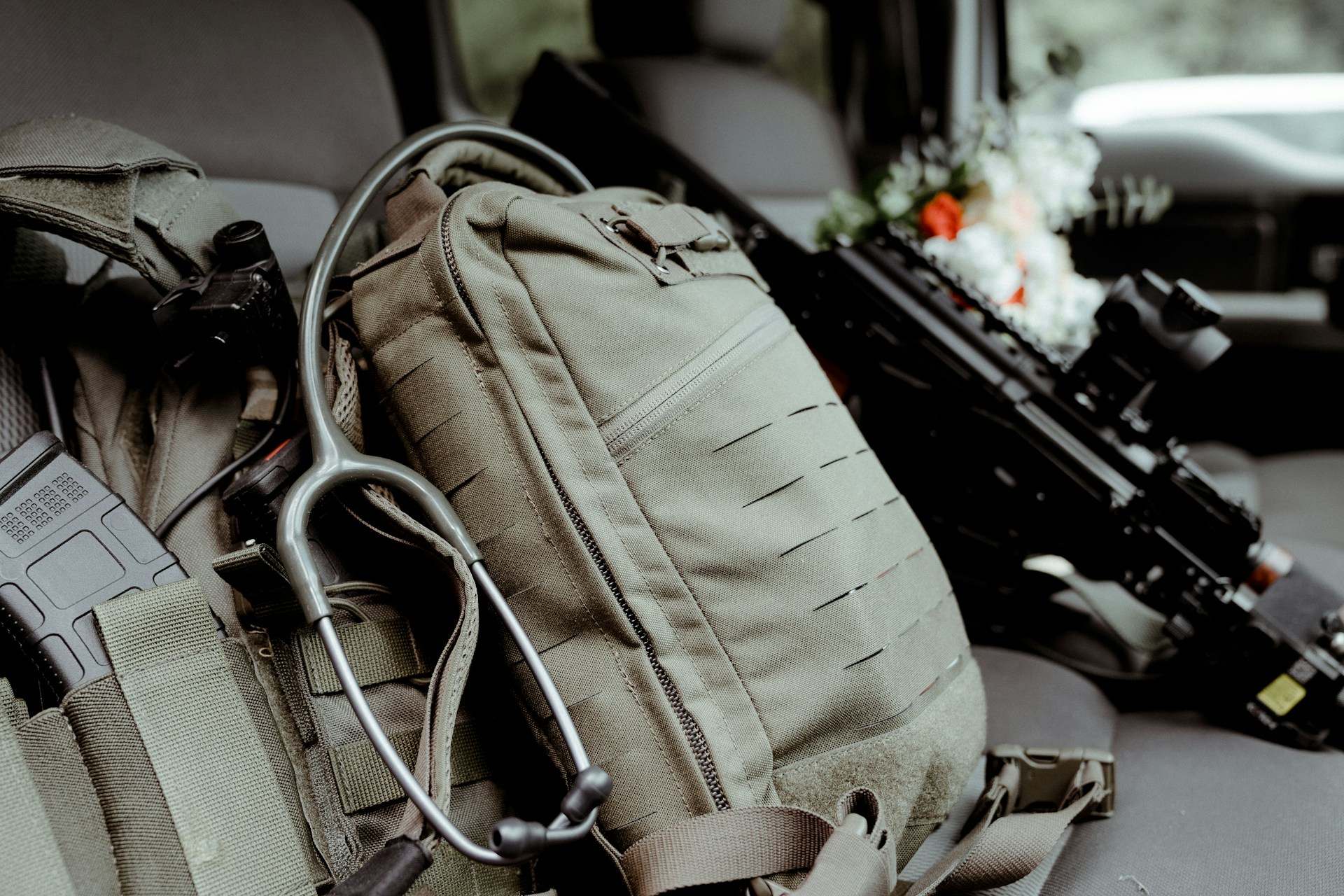
Survival isn’t just about wilderness skills or stockpiling food. In today’s America, survival means being ready — financially, mentally, and physically — for rapid change. Under President Trump’s current term, the country is moving fast. Supporters see decisive leadership, tougher borders, economic nationalism, and a renewed focus on American strength. But with that speed comes disruption, resistance, and uncertainty. That’s where personal preparedness comes in.
President Trump has made it clear he believes in self-reliance, national security, and strength over dependence. Those same principles apply at the household level. Whether it’s supply chain pressure, political unrest, inflation, or grid stress, Americans who prepare are simply harder to shake.
1. Control What You Can Control
Trump’s presidency has emphasized America first — but that mindset starts at home. You may not control Congress, global markets, or activist judges, but you can control your food, water, cash reserves, and personal security. A prepared household is less vulnerable to sudden price spikes, shortages, or emergencies caused by political or economic battles in Washington.
Stocking basic food, having backup power, and keeping cash on hand isn’t paranoia — it’s responsibility.
2. Supply Chains Are Still Fragile
Despite economic growth claims and lower energy prices in some areas, grocery costs and essentials remain unpredictable. Trump’s push for tariffs and reshoring manufacturing is aimed at long-term strength, but transitions aren’t painless. Short-term disruptions happen before long-term gains materialize.
Smart Americans don’t wait for headlines to confirm trouble. They quietly build buffers: extra food, household necessities, and alternative sourcing.
3. Civil Unrest Isn’t Going Away
Trump’s presidency continues to expose deep political divides. Protests, counter-protests, and aggressive rhetoric aren’t disappearing — they’re becoming normalized. Survival today means knowing how to avoid trouble, not chase it.
Situational awareness, safe travel habits, and basic home security upgrades matter more now than they did a decade ago. Strong borders don’t eliminate internal instability overnight.
4. Medical and Personal Readiness Matter
Government systems get stressed during shutdowns, disasters, or mass events. Trump often criticizes bloated bureaucracy for a reason — it moves slowly when speed matters. Having basic medical supplies, prescriptions, and personal health plans ensures you don’t depend entirely on institutions that may lag when demand spikes.
Preparedness is independence.
5. Survival Is a Mindset, Not Fear
Trump supporters are often labeled “fearful,” yet preparedness is the opposite of fear. It’s confidence. It’s knowing that no matter what happens — politically, economically, or socially — your family is stable.
The core Trump message has always been strength, resilience, and refusing to be weak or dependent. Survival thinking aligns perfectly with that philosophy.
America is changing. Fast leadership brings fast reactions. The prepared citizen doesn’t panic, protest, or plead — they adapt.
Survival today isn’t about hiding from the future. It’s about being ready to face it head-on.

Traveling internationally can be rewarding, but it also carries risks that vary widely by destination and situation. The U.S. government offers specific safety guidelines to help American travelers prepare, stay informed, and protect themselves throughout their trip.
Here are key practices U.S. citizens should follow to stay safe overseas:
1. Check Travel Advisories Before You Go
The U.S. Department of State issues travel advisories for every country. These advisories use a four-level system to show risk:
- Level 1: Exercise normal precautions
- Level 2: Exercise increased caution
- Level 3: Reconsider travel
- Level 4: Do not travel
Before booking or departing, always review the current advisory for your destination. Higher levels indicate serious risks like crime, civil unrest, terrorism, health emergencies, or limited emergency services.
2. Enroll in the Smart Traveler Enrollment Program (STEP)
Before departure, sign up for the Smart Traveler Enrollment Program (STEP). This free service connects you to the nearest U.S. embassy or consulate and keeps you informed with real-time updates about safety, weather, civil unrest, or health issues in your destination. It also makes it easier for authorities to contact you or your emergency contacts if needed.
3. Know Local Laws and Customs
U.S. citizens abroad must obey the laws of the country they are visiting. Local legal systems and penalties can differ significantly from those in the United States. Travelers should research local laws, dress codes, cultural norms, and any restricted activities before departure to avoid fines, detention, or legal complications.
4. Prepare Important Documents and Contacts
Carry your passport with you at all times and make digital copies of important documents like your passport page, travel insurance, and emergency contacts. Leave copies with someone at home and store them securely online. Keep local embassy contact information readily available in case you need assistance while abroad.
5. Have a Personal Emergency Plan
Emergencies can range from civil unrest and natural disasters to health crises and lost travel documents. Plan ahead:
- Know where the U.S. embassy or consulate is in your destination
- Have a communication plan with family or friends back home
- Know your travel insurance coverage and how to access medical care while abroad
- Understand evacuation routes and local emergency services
During a crisis, the U.S. government may not be able to evacuate you immediately. You should be ready to use commercial travel options to leave if it is safe to do so.
6. Stay Alert and Use Common Sense
Travel safety often comes down to ordinary precautions:
- Avoid risky areas and follow local authority instructions
- Keep a low profile and avoid displaying expensive items
- Be aware of your surroundings, especially in crowded or unfamiliar places
These practices reduce the chance of being targeted for theft or other crimes.
Why This Matters Today
Global travel risks can change quickly due to political tensions, health outbreaks, or civil unrest. For example, the U.S. government has issued worldwide travel caution alerts during periods of heightened international tension, underscoring the importance of staying updated with current risks.
Summary of Key Safety Steps
- Check official travel advisories for your destination
- Enroll in the Smart Traveler Enrollment Program (STEP)
- Know local laws and customs
- Carry and secure important travel documents
- Prepare a personal emergency plan
- Stay alert and cautious throughout your trip

Traveling across the United States is one of the great freedoms Americans enjoy. Whether you’re driving state to state, flying cross-country, or taking a long road trip, staying safe and fully within the law doesn’t require anything complicated. It just takes preparation, awareness, and a few essentials that every traveler should have in place before they go.
Here are five things you need to travel across America confidently, safely, and legally.
1. Valid Government-Issued Identification
This is non-negotiable.
A valid ID proves who you are and allows you to travel without unnecessary delays or problems.
For most people, this means:
- A valid driver’s license or REAL ID
- A state-issued ID card if you don’t drive
- A valid U.S. passport (especially useful for air travel)
If you’re flying, your ID must meet TSA requirements. If you’re driving, your license must be current and not suspended. Keep your ID easily accessible, but secure.
2. Proof of Legal Residency or Citizenship (If Applicable)
If you are a U.S. citizen, carrying proof such as a passport or passport card adds an extra layer of security during long trips, especially near border states or when flying.
If you are a legal resident or visa holder, you should always carry:
- Your valid visa or green card
- Any required travel documents associated with your status
Having proper documentation protects you from misunderstandings and unnecessary stress.
3. Proper Vehicle Documents (If Driving)
If you’re traveling by car, make sure your paperwork is up to date.
This includes:
- Vehicle registration
- Proof of insurance
- A valid driver’s license
Law enforcement checks are routine and usually brief when paperwork is in order. Keeping documents organized shows responsibility and helps everything go smoothly.
4. A Safe and Legal Travel Plan
You don’t need a strict itinerary, but you should know where you’re going and how you’ll get there.
A smart travel plan includes:
- Knowing your route and major stops
- Booking legal accommodations (hotels, campgrounds, or rentals)
- Understanding basic state laws (speed limits, phone use, toll roads)
Each state has its own rules, and being aware of them helps you avoid fines or problems.
5. Emergency Contacts and Communication
Safety isn’t just about laws — it’s about preparedness.
Carry a charged phone, a car charger or power bank, and a written list of emergency contacts in case technology fails.
It’s also wise to:
- Share your travel plans with someone you trust
- Check weather conditions regularly
- Keep emergency numbers saved and written down
Prepared travelers are calm travelers.
Final Thought
Traveling across America legally and safely doesn’t require fear or special permissions. It requires valid identification, proper documents, respect for local laws, and basic preparedness.
When you travel with everything in order, you’re free to enjoy the journey — not worry about it.
-
 Off The Grid5 months ago
10 Foods That Could Save Your Life When Grocery Shelves Are Empty
-

 Tactical2 years ago
70-Year-Old Fends Off Intruder with Lead-Powered Message
-
 Tactical2 years ago
Vape Shop Employee Confronts Armed Crooks, Sends Them Running
-

 Preparedness4 months ago
5 Things You Should Always Carry During a Winter Storm
-

 Nature and Wildlife5 months ago
10 Survival Skills You Should Learn Before You Need Them
-

 Preparedness2 years ago
Ex-Ballerina’s Guilty Verdict Sends Tremors Through Gun-Owner Community
-
 Preparedness4 months ago
Smart Person’s Checklist: 10 Things You’ll Wish You Had When Disaster Strikes
-

 Preparedness10 months ago
Discover Free Land in These Three Surprising States