Gear Reviews
5 Mistakes That Get People Hurt in Emergencies


When disaster strikes, people often imagine that danger comes only from the storm, the fire, or the event itself. In reality, many injuries happen because of the decisions people make in the first minutes of an emergency. Stress, panic, and confusion can push anyone into risky behavior without realizing it. Understanding the most common mistakes can help you stay calm, think clearly, and protect yourself and your family when pressure is high.
Here are five mistakes that consistently put people in harm’s way during emergencies and how to avoid them.
1. Ignoring the First Signs of Trouble
Most emergencies do not arrive without warning. Houses give signs before smoke turns into flames. Storm alerts usually come hours before the worst conditions. Cars often send early signals before breaking down during a winter drive.
The biggest mistake people make is dismissing these early signs. They assume things will get better or that the situation is manageable. This delay can remove the precious minutes you need to escape, prepare, or call for help. Acting early is almost always safer than waiting.
2. Trying to Leave at the Wrong Time
When danger hits, some people freeze and stay too long. Others rush out too quickly. Both choices can lead to injury.
During fires, the mistake is failing to leave fast enough. Smoke spreads faster than many realize, and it can become deadly long before flames reach you.
During winter storms or floods, the mistake is trying to drive when conditions are already unsafe. Cars slide, roads close, and visibility disappears.
The key is to know your exit point. If you are told to evacuate, leave early. If staying put is safer, commit to it and avoid risky travel.
3. Using Unsafe Heat or Power Sources
In power outages or cold-weather emergencies, many injuries come from using the wrong tools indoors. People bring grills into the house. They run generators in enclosed spaces. They burn candles near flammable items. These actions lead to carbon monoxide poisoning, fires, and explosions.
The safest approach is simple. Only use indoor-safe heaters. Do not use charcoal, gas grills, or outdoor stoves inside. Keep generators outside and away from windows. Know where your smoke and carbon monoxide detectors are and make sure they work.
4. Overexerting Yourself
Emergencies often create sudden physical demands. People shovel heavy snow even though they are not used to it. They move furniture during floods. They run up and down stairs trying to rescue items instead of rescuing themselves.
Overexertion can trigger falls, muscle injuries, or heart problems. This mistake happens because adrenaline makes people feel stronger and more capable than they are.
Move deliberately. Lift slowly. Do only what is necessary to stay safe. No possession is worth an injury that leaves you helpless during a crisis.
5. Not Having a Simple Plan
When people do not have a plan, panic fills the gap. They search for flashlights in the dark. They look for a radio only after they need it. They try to remember where medications or keys are kept. Every minute wasted increases risk.
You do not need a complicated plan. Just make a short list.
- Where is your emergency kit?
- Where will you go if you need to leave?
- Who will you contact first?
- Which items do you grab if time is short?
A simple plan turns fear into clarity. It allows you to act instead of react.
Final Thoughts
Emergencies are unpredictable, but your behavior does not have to be. By recognizing these five common mistakes, you can stay calm when others panic and stay safe when situations turn dangerous. Most injuries happen because people underestimate the risk or overestimate their ability to handle it. Preparation, awareness, and a steady mindset are the most reliable tools you can carry into any crisis.

Gear Reviews
The Water Crisis No One Is Talking About: Why Your Emergency Food Could Kill You Through Dehydration
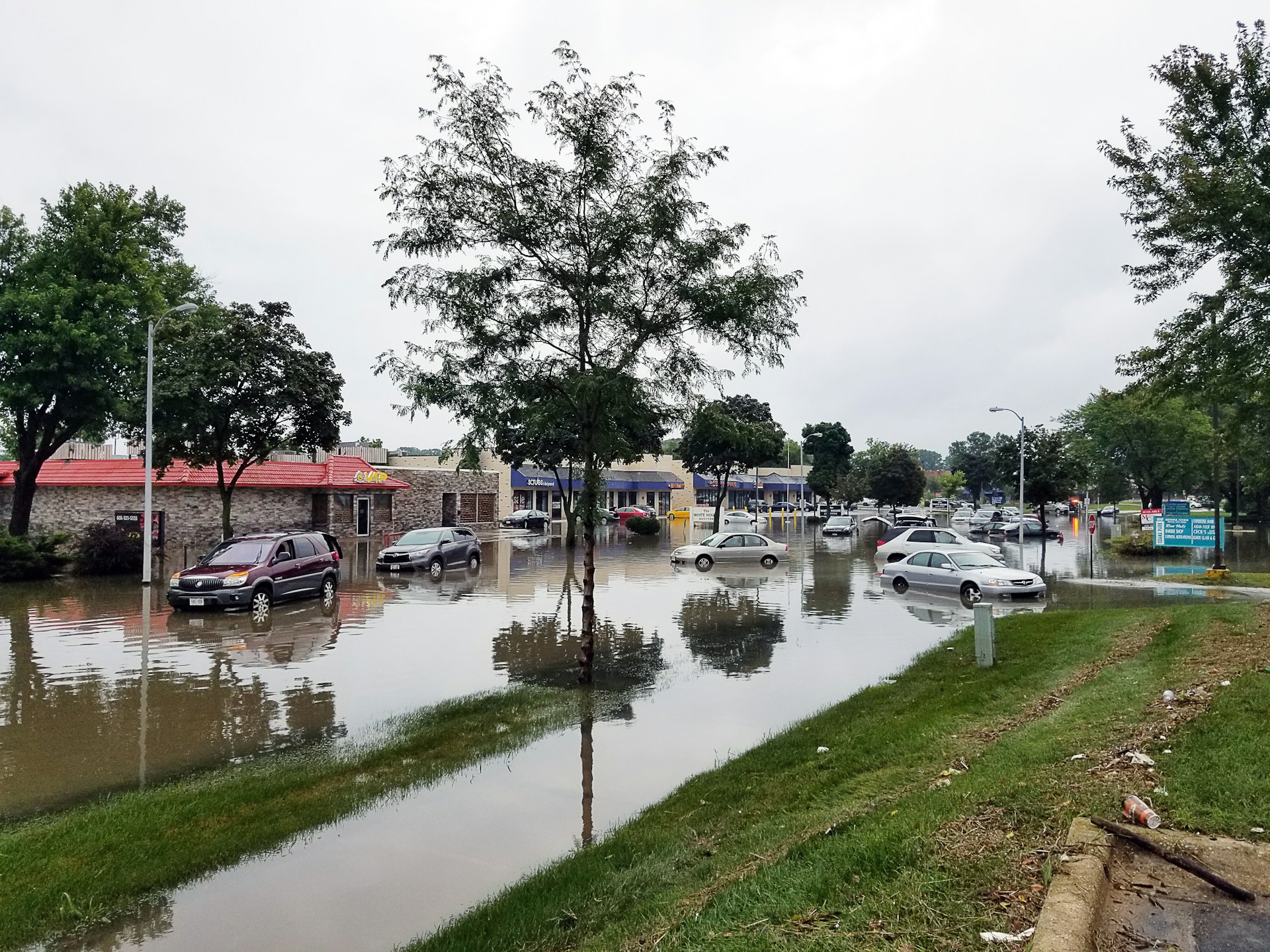
The Water Crisis No One Is Talking About: Why Your Emergency Food Could Put You at Risk
Many families spend years building food storage, yet overlook the most important part of survival: water. Without enough water, most stored emergency foods become impossible to prepare safely, no matter how many pounds of rice or beans you have on the shelf.
Emergency planners warn that most households underestimate their water needs by 200–400 percent, creating a dangerous gap that could turn a disaster into a life-threatening crisis.
The Hidden Water Cost of Common Emergency Foods
FEMA recommends at least one gallon of water per person per day, but this number only covers drinking and minimal sanitation, not cooking.
Source: FEMA – “Food and Water in an Emergency”
Common dry foods require far more water than people expect:
- Rice: 2–3 cups of water per cup of dry rice
- Dry beans: 3–4 cups for soaking plus more for boiling
- Pasta: 4–6 cups of water per serving
A single rice-and-beans meal for a family of four can require over a gallon of water just for cooking. Multiply that across three meals per day, and water needs jump to 3–4 gallons per day, far exceeding what most families store.
When Disaster Hits, Safe Water Disappears First
History shows how quickly water systems fail:
- Hurricane Katrina: more than 1 million people without clean water
- 2021 Texas Freeze: water service collapsed for 14 million
- Hurricane Maria (Puerto Rico): months of outages in some regions
Source: American Water Works Association Research
When families run out of stored water, they often start using unsafe sources such as:
- Floodwater
- Creeks and streams
- Unfiltered local supply
- Contaminated rain catch
Many believe boiling makes unsafe water safe. However, several pathogens including Giardia, Cryptosporidium, cholera, and certain E. coli strains can survive normal cooking processes once mixed directly into food.
Source: CDC – Waterborne Disease During Disaster Recovery
Doctors repeatedly report cases of severe illness and dehydration caused not by lack of food, but by attempting to cook stored food with contaminated water.
Fuel and Time: The Other Hidden Costs
Cooking traditional emergency foods requires:
- Long boiling times
- Consistent heat
- Substantial fuel
For example, a family preparing rice and beans daily may burn through an entire 16-ounce propane canister every 2–3 days.
Source: Backpacker Magazine – Camp Stove Fuel Efficiency Testing
During long-term emergencies, you cannot count on replacing fuel. That makes this style of cooking difficult to sustain.
Time adds another layer of risk. Boiling beans for hours pulls attention away from:
- Security and safety
- Water collection and purification
- Shelter maintenance
- Childcare and medical needs
Multi-hour meal preparation is not just inconvenient during a crisis — it can be dangerous.
Why Freeze-Dried Meals Solve the Water Problem
Freeze-dried meals are designed to work in low-water environments.
Most require only:
- A 1:1 water-to-food ratio, or
- At most, a 1.5:1 ratio
This can reduce water usage by 70–80 percent compared to traditional dried foods like rice, beans, and pasta.
Source: Food Technology Magazine – Water Efficiency in Food Preservation Methods
Additional advantages of freeze-dried foods:
- Rehydrate with cold water
- Some foods can be eaten dry
- No fuel needed
- Meals ready in minutes
- Lightweight and easy to carry if you must evacuate
A family of four typically needs 1–1.5 gallons of water per day for freeze-dried meal preparation, compared to 3–4 gallons per day for rice and beans.
Real Disasters Confirm the Data
After the 2021 Texas power grid collapse, families with freezers full of food saw everything spoil. Many with stored dry goods found they could not cook them at all due to lack of water or fuel. Families who had freeze-dried supplies often fared significantly better.
Similar patterns have been documented after:
- Hurricane Maria
- Hurricane Harvey
- Major earthquakes and regional blackouts
In every case, the determining factor was the same: water scarcity.
How to Build a Water-Efficient Crisis Plan
1. Make Freeze-Dried Meals Your Core Food Supply
Freeze-dried meals offer the best balance of water efficiency, nutrition, shelf life, and portability.
2. Store Realistic Amounts of Water
Plan for food preparation, drinking, and sanitation.
3. Add Water Purification Tools
Because freeze-dried meals use less water, your purification supplies last much longer.
4. Keep Food Portable
A 30-day supply of freeze-dried meals can fit into backpacks, unlike hundreds of pounds of grains.
The Bottom Line
In every real emergency, water becomes the limiting factor long before food runs out. If your food requires too much water to prepare, it becomes a liability.
Freeze-dried meals eliminate excess water use, fuel requirements, long cooking times, and contamination risks — while dramatically improving portability and survival outcomes.
Your emergency food plan is only as strong as your water plan.
Sources & References
- FEMA – Food and Water in an Emergency – https://www.fema.gov
- Journal of Food Science – Water Requirements in Food Preparation (2021)
- American Water Works Association – Water Infrastructure Failures During Natural Disasters (2020) – https://www.awwa.org
- CDC – Waterborne Disease During Disaster Recovery (2019) – https://www.cdc.gov
- World Health Organization – Burden of Disease from Unsafe Water (2023) – https://www.who.int
- Journal of Food Protection – Pathogen Survival in Cooked Foods Prepared with Contaminated Water (2020)
- Backpacker Magazine – Camp Stove Fuel Efficiency Testing (2022) – https://www.backpacker.com
- Food Technology Magazine – Water Efficiency in Food Preservation Methods (2021) – https://www.ift.org
- U.S. Army Natick Soldier Research Center – Ration Development for Austere Environments (2019)
- Texas Department of State Health Services – Winter Storm Uri Health Impact Report (2021)
- American Journal of Public Health – Water-Related Illness Following Hurricane Maria (2018)
Power grid experts are warning that America’s electrical infrastructure is more vulnerable than ever, and most families who think they’re prepared for emergencies are about to learn a devastating lesson about their food storage plans.
While millions of Americans have stocked their freezers with meat, filled their refrigerators with fresh produce, and loaded their pantries with items requiring refrigeration, few have considered what happens when the power goes out for more than a few hours.
“The average American home loses power for 8 hours per year under normal conditions,” says David Martinez, a former utility grid engineer who now consults on emergency preparedness. “But we’re not living in normal conditions anymore. Grid vulnerabilities from cyberattacks, extreme weather events, and aging infrastructure mean extended outages are becoming the norm, not the exception.”
The numbers tell a sobering story. According to the U.S. Energy Information Administration, major power outages have increased by 67% since 2000. Climate scientists predict this trend will accelerate as extreme weather events become more frequent and severe.
Source: U.S. Energy Information Administration (EIA), ‘Electric Power Annual 2023’ – Data showing major power outages increased 67% from 2000-2023.
What most people fail to realize is that their carefully assembled emergency food supply could become worthless, or worse, dangerous, within hours of a grid failure.
The 4-Hour Window of Disaster
The USDA Food Safety and Inspection Service is clear about the timeline: refrigerated foods become unsafe after 4 hours without power if the refrigerator door remains closed. Frozen foods in a full freezer will stay frozen for approximately 48 hours, but only 24 hours if the freezer is half full.
Source: USDA Food Safety and Inspection Service, ‘Food Safety During a Power Outage’ – Guidelines on refrigerated food safety timelines during power failures.
Dr. Jennifer Walsh, a food safety microbiologist at the University of Wisconsin, explains the danger: “When power fails, bacteria multiply exponentially in the temperature danger zone between 40°F and 140°F. Salmonella, E. coli, and Listeria can double their population every 20 minutes under ideal conditions. By the time food smells bad, bacterial counts can be in the millions per gram.”
Source: Food Microbiology: Fundamentals and Frontiers, 5th Edition (ASM Press) – Bacterial growth rates in temperature danger zone.
For families who have invested hundreds or thousands of dollars in chest freezers full of meat, the financial loss is devastating. But the health risk is even worse.
“We see emergency room visits spike after extended power outages,” says Dr. Michael Chen, an emergency medicine physician in Houston who treated dozens of food poisoning cases after Hurricane Harvey knocked out power for weeks in 2017. “People try to salvage expensive meat from their freezers, thinking they can cook the bacteria away. But many foodborne pathogens produce heat-stable toxins that remain dangerous even after thorough cooking.”
Source: CDC, ‘Hurricane Harvey Health Effects’ – Documentation of foodborne illness increases following extended power outages in 2017.
The Canned Food Deception
Many preppers believe they’ve solved this problem by stockpiling canned goods. After all, canned food doesn’t require refrigeration or power to remain safe.
But nutritionists warn that relying on canned goods during extended emergencies creates its own set of serious problems.
“Canned foods are cooked at extremely high temperatures during the canning process, which destroys significant portions of heat-sensitive vitamins like vitamin C, thiamin, and folate,” explains Dr. Sarah Thompson, a registered dietitian specializing in emergency nutrition. “A family eating primarily canned foods for weeks or months will develop vitamin deficiencies that compromise immune function precisely when they need it most.”
Source: Journal of Food Science, ‘Nutrient Retention in Canned Foods’ (2019) – Study showing vitamin C losses of 50-80% and thiamin losses of 40-70% during thermal processing.
The sodium content in canned foods presents another critical issue. A single can of soup can contain 800-1,500mg of sodium, up to 65% of the daily recommended limit. During a grid-down scenario when medical care may be limited or unavailable, the cardiovascular stress from high-sodium diets becomes particularly dangerous.
Source: American Heart Association, ‘Sodium Content in Processed Foods’ – Analysis showing average canned soup contains 800-1,500mg sodium per serving.
“I’ve reviewed survival food plans where families would be consuming 4,000-6,000mg of sodium daily if they actually ate their stockpiled canned goods,” says Dr. Thompson. “That level of sodium intake increases blood pressure, causes fluid retention, and puts enormous stress on kidneys and heart. For anyone over 50 or with existing health conditions, it’s a recipe for disaster.”
The Freeze-Dried Solution
This is where freeze-dried food technology offers a crucial advantage that most people don’t understand.
Unlike frozen foods that require constant power, or canned foods that sacrifice nutrition for shelf stability, properly processed freeze-dried foods maintain their nutritional value for 25+ years without any refrigeration or power whatsoever.
The science behind freeze-drying explains why. The process removes 98-99% of moisture from food while keeping it frozen, preventing the formation of ice crystals that damage cell walls. Because the food never goes above freezing temperature during processing, heat-sensitive vitamins and nutrients remain intact.
Source: Food Technology Magazine, ‘Freeze Drying Technology and Applications’ (2021) – Technical overview of lyophilization process and nutrient retention.
Independent laboratory testing shows freeze-dried foods retain 90-97% of their original nutritional content, compared to 40-60% retention in canned foods and near-complete loss in frozen foods after power failure.
Source: International Journal of Food Sciences and Nutrition, ‘Comparative Analysis of Food Preservation Methods’ (2020) – Laboratory testing showing nutrient retention across preservation methods.
“The freeze-drying process is remarkable in its ability to preserve not just safety, but actual nutrition,” says food scientist Dr. Robert Hayes of Oregon State University’s Food Innovation Center. “We’ve tested freeze-dried fruits and vegetables stored for 20+ years and found vitamin content that rivals fresh produce in many cases.”
The storage advantages are equally impressive. Freeze-dried foods remain stable at room temperature, require no special storage conditions beyond keeping them dry, and maintain their quality in temperature ranges from below freezing to over 100°F.
Real-World Grid Failure Scenarios
The vulnerability of America’s power grid is not theoretical. Recent events have demonstrated exactly what happens when large populations lose power for extended periods.
During the February 2021 Texas power crisis, over 4.5 million homes and businesses lost power for days during freezing temperatures. Grocery stores were emptied within hours. Frozen food in home freezers spoiled. Families who had stockpiled food in freezers and refrigerators watched their investment rot.
Source: ERCOT (Electric Reliability Council of Texas), ‘2021 Winter Storm Uri Report’ – Official data on power outages affecting 4.5 million customers.
“I had $800 worth of meat in my chest freezer,” recalls Austin resident Tom Anderson. “After three days without power in sub-freezing weather, I had to throw every bit of it away. Meanwhile, my neighbor who had cases of freeze-dried meals just kept eating normally. I learned an expensive lesson.”
Hurricane Maria in 2017 left parts of Puerto Rico without power for 11 months. The average outage lasted 84 days. Frozen and refrigerated foods were worthless within the first week.
Source: Department of Energy, ‘Hurricane Maria Power Restoration Timeline’ – Documentation showing average 84-day outage duration with some areas lasting 11 months.
Even shorter outages create cascading problems. When Hurricane Sandy hit the Northeast in 2012, power outages lasting 7-10 days left families scrambling. Those with freeze-dried food reserves maintained normal nutrition while their neighbors fought over the last canned goods at damaged grocery stores.
Source: FEMA, ‘Hurricane Sandy After-Action Report’ – Analysis of power outage duration and food supply impacts. The Power Grid Threat Assessment
Energy security experts warn that grid vulnerabilities are increasing from multiple threat vectors.
The U.S. Department of Homeland Security has identified the electrical grid as one of the nation’s most critical and most vulnerable infrastructure systems. A 2020 report documented over 150 significant cyberattacks on energy infrastructure globally, with U.S. systems being prime targets.
Source: Department of Homeland Security, ‘Critical Infrastructure Security and Resilience Note’ (2020) – Report on cyber threats to energy infrastructure.
“Our grid was designed for 20th-century threats and loads,” explains former FERC commissioner Robert Powelson. “We’re now dealing with 21st-century cyberattacks, extreme weather events, and exponentially higher demand. The system is stressed in ways it was never designed to handle.”
Physical attacks pose additional risks. In 2013, a coordinated sniper attack on Pacific Gas & Electric’s Metcalf transmission station in California nearly caused a regional blackout. The FBI called it ‘the most significant incident of domestic terrorism involving the grid that has ever occurred.’
Source: Federal Energy Regulatory Commission, ‘Metcalf Substation Attack Report’ (2014) – FBI and FERC analysis of 2013 physical attack on power infrastructure.
Natural disasters present the most frequent threat. According to Climate Central, weather-related power outages have increased 78% since 2011. As climate patterns shift, these events are projected to become more severe and more frequent.
Source: Climate Central, ‘Surging Weather-Related Power Outages’ (2022) – Data analysis showing 78% increase in weather-related outages since 2011.
Beyond Food: The Cascade Effects
When the grid fails, the problems extend far beyond food spoilage.
Water treatment plants typically have 24-48 hours of backup generator fuel. After that, tap water becomes unsafe or stops flowing entirely. Gas stations can’t pump fuel without electricity. Cell towers have limited battery backup before going offline.
“A grid-down scenario becomes a total infrastructure failure within 3-5 days,” warns Martinez. “Food is just the first domino. Water, communications, transportation, and medical services all collapse in sequence.”
This makes the choice of emergency food even more critical. Foods that require extensive preparation, cooking time, or water consumption become problematic when resources are scarce.
Freeze-dried foods offer distinct advantages in these scenarios. Most require only cold or room-temperature water to rehydrate, consuming far less fuel for heating than cooking raw ingredients. The lightweight nature of freeze-dried food means families can evacuate with substantial food supplies if necessary.
The Cost-Benefit Analysis
Critics often point to the higher upfront cost of freeze-dried food compared to canned goods or buying in bulk to freeze. But this analysis ignores the total cost of ownership.
When a family invests $500 in a chest freezer and $1,000 in frozen meat, they’re betting that power will remain reliable. One extended outage can wipe out the entire investment.
Canned goods may cost less initially, but the nutritional deficits mean families may need to supplement with expensive vitamins and minerals. The shorter shelf life of canned goods (typically 2-5 years) means regular rotation and replacement costs that add up over time.
“When you calculate the actual cost per nutritious serving over a 25-year storage period, freeze-dried food is often cheaper than the alternatives,” explains emergency preparedness consultant Maria Rodriguez. “Add in the flexibility of not needing power, and the value proposition becomes obvious.”
The quality difference matters too. Modern freeze-dried meals have evolved far beyond the cardboard-tasting options of decades past. Companies like Freeze Dry Wholesalers are producing restaurant-quality freeze-dried meals that maintain flavor, texture, and nutritional value.
Building a Grid-Independent Food Strategy
Preparedness experts recommend a layered approach to emergency food storage, with freeze-dried foods forming the foundation precisely because they remain viable regardless of grid status.
“Start with a 30-day supply of freeze-dried meals as your baseline,” advises Rodriguez. “These give you guaranteed nutrition for a month no matter what happens with power. Then you can add other food types based on your specific situation and needs.”
The psychological benefit of having truly stable food storage shouldn’t be underestimated. Knowing that your family’s nutritional needs are covered for weeks or months regardless of infrastructure status provides genuine peace of mind.
“Emergency preparedness is as much about maintaining morale and mental health as physical survival,” notes Dr. Chen. “Families who can eat recognizable, tasty meals during a crisis maintain better psychological resilience than those choking down unpalatable rations or rationing spoiling food.”
The Bottom Line for Families
As grid vulnerabilities increase and extreme weather events become more common, the question isn’t whether families should prepare for power outages, but how to prepare most effectively.
The evidence points clearly toward freeze-dried food as the most reliable option for families serious about emergency preparedness. The independence from refrigeration and power, combined with superior nutrition retention and 25+ year shelf life, makes freeze-dried food the logical foundation of any comprehensive emergency food plan.
“We’re not fear-mongering here,” emphasizes Martinez. “We’re looking at documented trends, expert assessments, and real-world events. The grid is becoming less reliable, not more. Families need food storage solutions that account for this reality.”
For families ready to build truly resilient food storage that remains viable regardless of grid status, Freeze Dry Wholesalers offers a comprehensive selection of freeze-dried meals, ingredients, and complete food storage systems designed for long-term reliability.
Their current inventory includes everything from individual freeze-dried meal pouches to complete one-year food supplies for families, all backed by their 30-day satisfaction guarantee.
Don’t wait for the next grid failure to discover whether your emergency food plan will actually work when you need it most.
This editorial contains factual information about power grid infrastructure, food safety, and emergency preparedness. Readers should develop emergency plans appropriate to their specific circumstances and consult with qualified professionals regarding food storage and safety practices.
SOURCES & REFERENCES
• U.S. Energy Information Administration (EIA), ‘Electric Power Annual 2023’ – Major power outages increased 67% from 2000-2023
• USDA Food Safety and Inspection Service, ‘Food Safety During a Power Outage’ – Refrigerated food safety guidelines
• Food Microbiology: Fundamentals and Frontiers, 5th Edition (ASM Press) – Bacterial growth rates in temperature danger zone
• CDC, ‘Hurricane Harvey Health Effects’ – Foodborne illness increases following extended power outages • Journal of Food Science, ‘Nutrient Retention in Canned Foods’ (2019) – Vitamin losses during thermal processing • American Heart Association, ‘Sodium Content in Processed Foods’ – Canned soup sodium analysis • Food Technology Magazine, ‘Freeze Drying Technology and Applications’ (2021) – Lyophilization process overview
• International Journal of Food Sciences and Nutrition, ‘Comparative Analysis of Food Preservation Methods’ (2020) – Nutrient retention study
• ERCOT (Electric Reliability Council of Texas), ‘2021 Winter Storm Uri Report’ – Texas power crisis data • Department of Energy, ‘Hurricane Maria Power Restoration Timeline’ – Puerto Rico outage documentation • FEMA, ‘Hurricane Sandy After-Action Report’ – Power outage and food supply analysis
• Department of Homeland Security, ‘Critical Infrastructure Security and Resilience Note’ (2020) – Cyber threats to energy
• Federal Energy Regulatory Commission, ‘Metcalf Substation Attack Report’ (2014) – Physical attack analysis • Climate Central, ‘Surging Weather-Related Power Outages’ (2022) – 78% increase in weather-related outages

A survival bag is not just for extreme situations. It is for storms, long power outages, sudden evacuations, car breakdowns, and any moment when normal life gets interrupted. With the right gear, you can stay safe, warm, and capable until help arrives or conditions improve. The challenge is choosing what truly matters. You want items that are light, reliable, and useful in almost every type of emergency.
Here are the five essentials every survival bag should include, along with the reasons why each one can be a lifesaver.
1. A Reliable Water Source
Water is the single most important item in any survival setup. Your body cannot function without it, and in a real crisis clean water may be limited or contaminated. Pack at least one full water bottle, but more importantly, include a compact water filter or purification tablets. A small filter can turn river water, melted snow, or questionable tap water into something safe to drink. Without this, dehydration can set in quickly and make every other task harder.
2. A Quality Multi Tool
A multi tool replaces an entire toolbox when you are on the move. It gives you pliers, a knife, screwdrivers, a saw blade, scissors, and more in a single pocket-sized device. When something breaks, when you need to cut rope, when you must open a can, or when you need to repair gear on the spot, a multi tool becomes priceless. It saves space and solves dozens of problems when time matters.
3. A First Aid Kit
Emergencies often bring cuts, scrapes, sprains, or burns. A small but complete first aid kit can prevent minor injuries from turning into major problems. Pack bandages, antiseptic wipes, medical tape, pain relievers, gloves, and any personal medications you rely on. In stressful situations, it becomes easy to overlook small wounds. A first aid kit gives you what you need to clean and protect them before infection starts.
4. A Light Source That Does Not Rely on Electricity
When the lights go out, navigating in pitch darkness becomes dangerous. A flashlight or headlamp with long-lasting batteries makes a massive difference. Better yet, pack a hand crank or solar-powered light so you are not limited by battery life. Light helps you stay calm, avoid hazards, signal for help, read maps, and make decisions without guessing. Darkness turns simple tasks into risky ones. A dependable light keeps you in control.
5. A Fire Starter
Fire gives you warmth, the ability to boil water, a way to cook simple foods, and even emotional comfort during long nights. Pack waterproof matches, a lighter, or a fire striker that works even when wet. Fire can keep you warm in cold weather, dry damp clothes, scare away animals, and make you visible to rescuers. Without a way to create fire, you lose one of the oldest and most powerful survival tools humans have.
Final Thoughts
A survival bag does not have to be complicated. These five items form the foundation of real preparedness. Water, tools, light, fire, and basic medical supplies cover nearly every type of emergency scenario. You can add more items later, but starting with these ensures you are never caught completely unprepared.
-
 Off The Grid5 months ago
10 Foods That Could Save Your Life When Grocery Shelves Are Empty
-
 Tactical2 years ago
70-Year-Old Fends Off Intruder with Lead-Powered Message
-
 Tactical2 years ago
Vape Shop Employee Confronts Armed Crooks, Sends Them Running
-

 Preparedness4 months ago
5 Things You Should Always Carry During a Winter Storm
-

 Nature and Wildlife4 months ago
10 Survival Skills You Should Learn Before You Need Them
-

 Preparedness2 years ago
Ex-Ballerina’s Guilty Verdict Sends Tremors Through Gun-Owner Community
-
 Preparedness4 months ago
Smart Person’s Checklist: 10 Things You’ll Wish You Had When Disaster Strikes
-
 Preparedness10 months ago
Discover Free Land in These Three Surprising States